
An AI coding agent
I use Claude Code, the desktop app, mostly with Claude Opus 5.5. It writes the files, runs them, looks at its own screenshots and keeps going. A chat window that only hands you code will not get you here.
Create with Mark / The field guide
My exact process, start to finish: the prompt, the long run, the scoring, the revisions and the skills. Real prompts from my history, and real footage of what each round looked like.
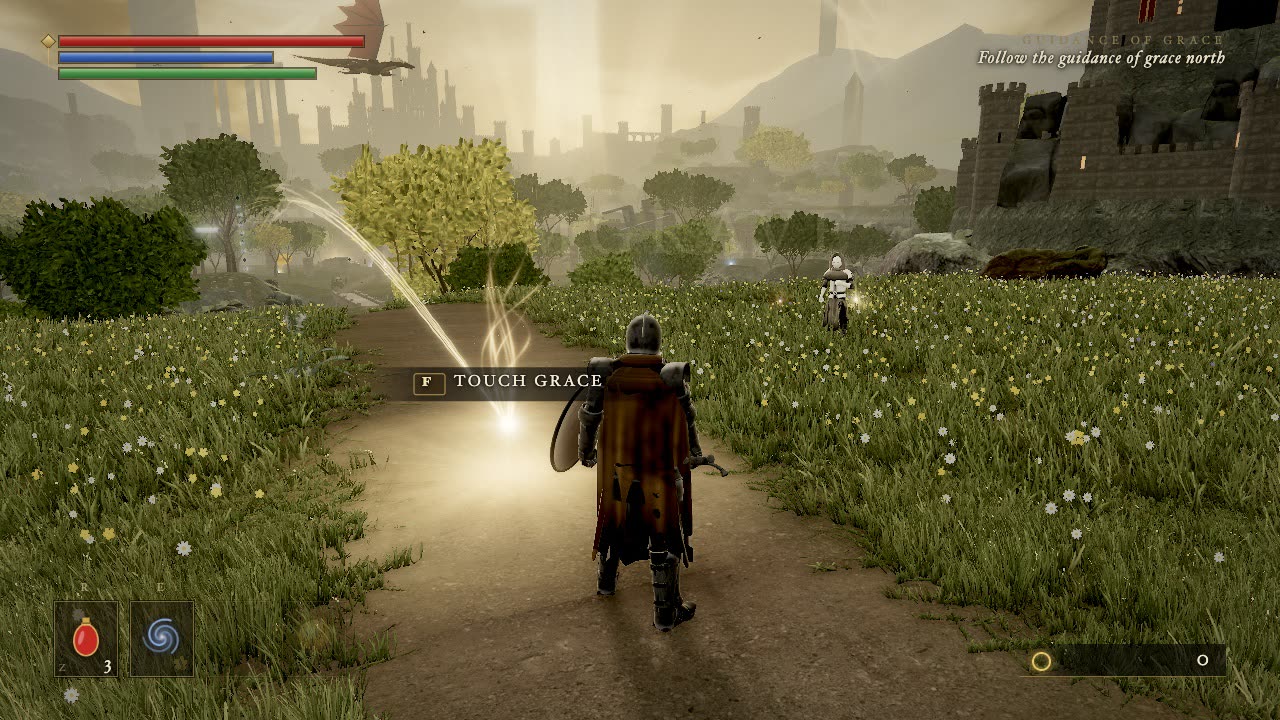
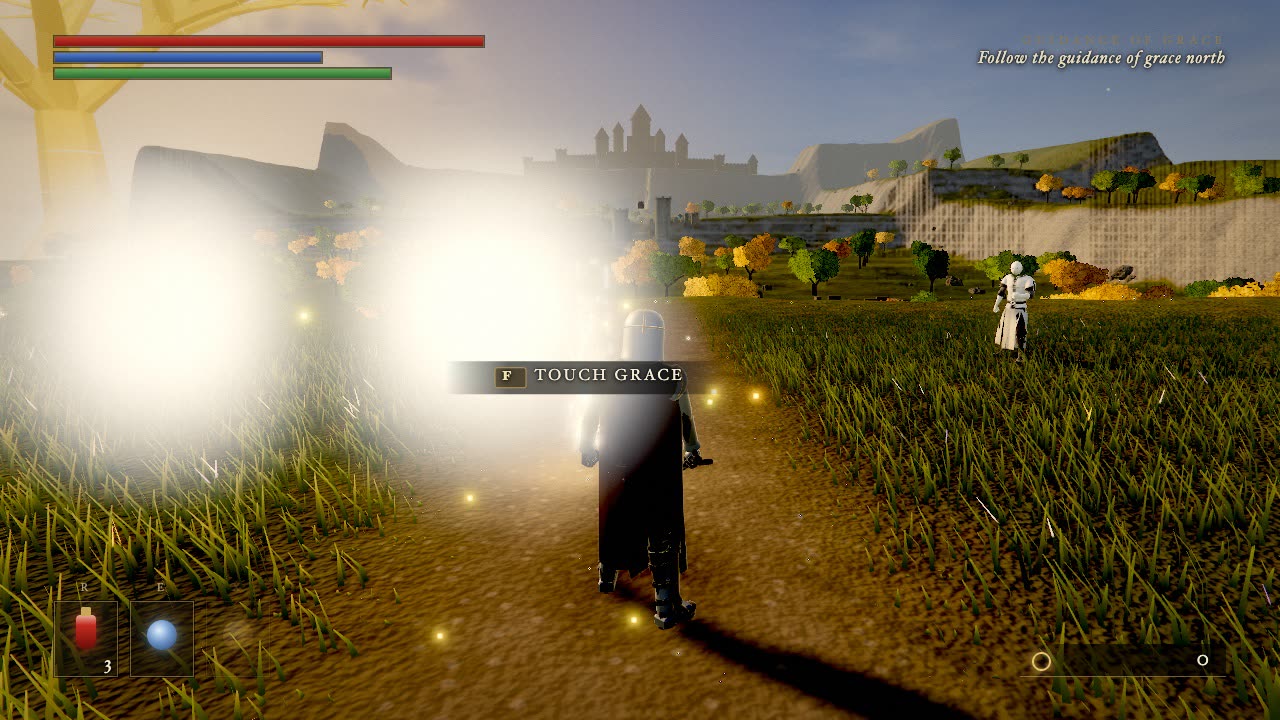
Opus Ring. Same spot, same camera.Drag to compare
I had AI agents analyze 188 builds and 563 revision notes, and they identified what the good ones have in common. That is this guide.
All of it from my own Claude Code history.
Watch the walkthrough
I go through this whole guide step by step in the video. Watch it first, then use the page to copy the prompts.
Watch on YouTubeThis is every game I make. Steps 3 to 5 are a loop, and the loop is where the game gets good. Click a step to jump to it.
↻ Repeat steps 3 to 5 until it is a 9 out of 10
What I typed“Just the graphics alone are a 1 out of 10, and we need to get to a 9. This has zero wow factor. The area looks super empty and bare.”
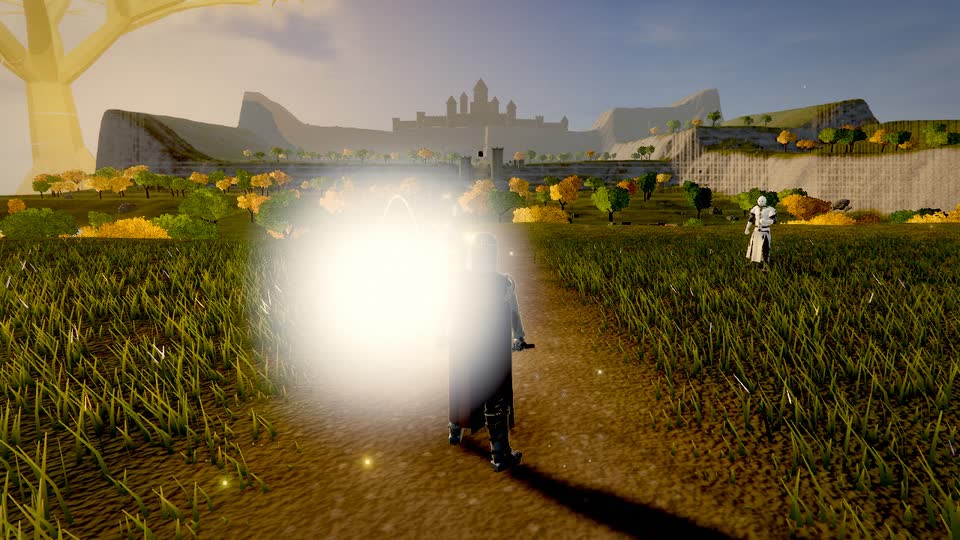
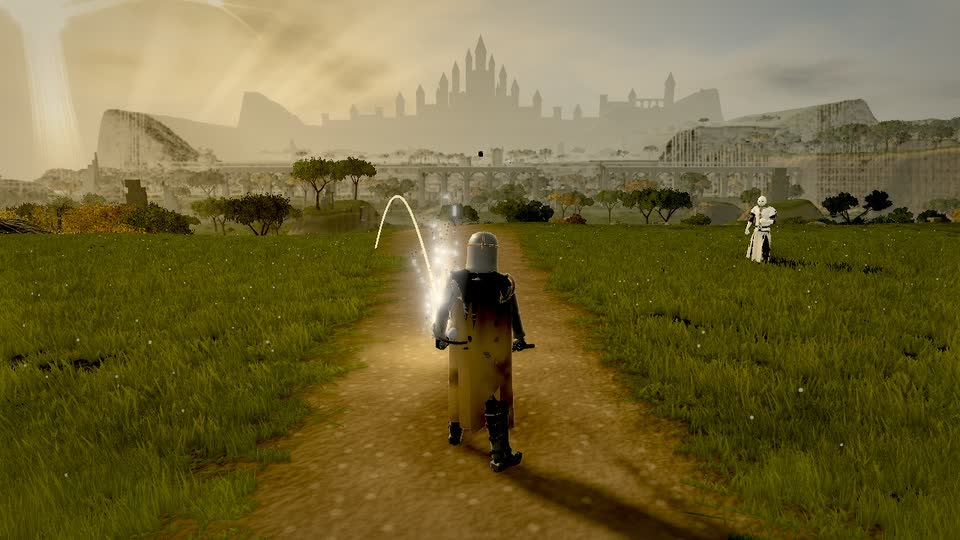
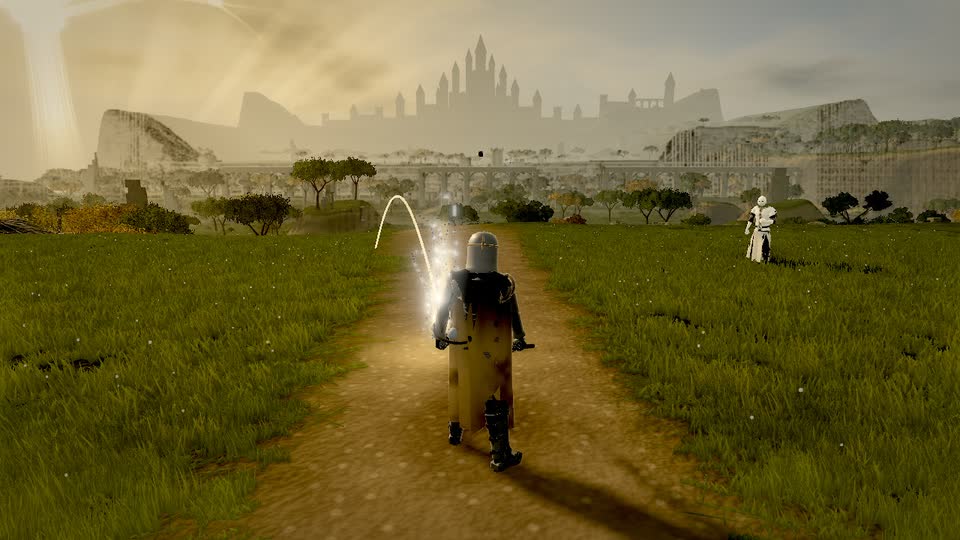
One game, four rounds: Opus Ring. Every clip is the real build from that round, rebuilt from the saved source and filmed from the same starting point.
Say what it is, what I can do in it and how good it has to be. My typical opening prompt is 44 words.
A game everyone knows, a screenshot, or a number. “9 out of 10” beats “make it good.”
Three hours, until midnight, until it is a 9. Otherwise it stops when it has something that works.
I judge the title screen, the first room and how the controls feel. That is what viewers see too.
“This is a 4 out of 10. Get it to a 9.” Then two to four specific things that are wrong.
“The racers are done. Leave them.” Point the next round at one area, not the whole game.
When something comes out great, I have the AI package how it did it, so the next game starts there.
There is no game engine in this process and I do not write code. Here is everything on the desk.
I use Claude Code, the desktop app, mostly with Claude Opus 5.5. It writes the files, runs them, looks at its own screenshots and keeps going. A chat window that only hands you code will not get you here.
Every game is one file that opens in a browser. 3D runs on three.js, an open-source library, packed inside. No install, no server, no accounts.
Each game gets its own source folder. The finished game is saved to my Desktop as one file with a plain name, so I always know which copy is the real one.
Three habits I put in almost every prompt. “In a single HTML file.” “New file, touch no other files.” And for anything you explore: “in 3D.” The first keeps it shareable, the second protects my other games, and the third I learned the expensive way (see what went wrong).
My opening prompts are short. Across 188 build chats the typical one is 44 words, and 131 of them were 60 words or fewer. I talk it out loud, the way I would brief a person. The detail comes later, in the revisions, once there is something to react to.
131 of 188 were 60 words or fewer. The long ones are almost all upgrade passes and skill builds, where there is already something to describe.
We built a lot of Hogwarts builds where you just fly around on a broomstick, but let’s take it to another level. Let’s build our own version of Hogwarts Legacy.
You choose which house you’re in (Gryffindor, Hufflepuff, Slytherin, etc.), and then you have free roam over the interior and exterior of the castle, both on foot and on broom.
I want to have a full Quidditch mini-game that feels incredible, and I want the detail, character models, and everything to be absolutely exceptional. Use whatever skills you want that we built that would be helpful, pull whatever assets you need from the internet, and let’s make this absolutely insane. I want you to run on a loop until the result is absolutely mind-blowing. We really need to focus on gameplay, graphics, scale, details. Obviously, there should also be a whole spell system where we can cast spells with our wand, combat, etc.
What it is and who it is for, in one or two sentences. I often frame it against something we already made, so it knows where the bar starts.
What I can actually do. Choose a house, roam on foot, fly a broom, cast spells. If a verb is missing from the prompt, it is usually missing from the game.
How good, compared to what. A named game, a number out of 10, or a reaction I want from a fan.
What it can lean on: skills we already built, assets from the internet, research.
How long to work and when it is allowed to stop.
The few things that matter most if it has to choose. For me that is nearly always gameplay, graphics, scale and detail.
The first result of this prompt was a 2 out of 10. That is normal. See step 5.Play the result: Hogwarts: Legacy of Magic
Before I write anything, I know which of these I am writing. All six are real opening prompts.
Use it for: A famous game the model already knows inside out.
When the reference is that specific, extra words only get in the way. This build came back so close to the real thing that I asked how it had done it.
Rebuild Lego Island 2: The Brickster's Revenge.
Opening prompt, the Lego Island 2 rebuild
Use it for: Model comparisons, and any time I want to see its best first swing.
Three short paragraphs: what should look incredible, what I should obviously be able to do, and that this is a showcase. I give the same prompt to different models to compare them.
What it made: Spider-ManI'm giving you one shot to make the best possible Spider-Man video game that you possibly can. The models should look incredible, the city should look incredible, and everything should be super detailed. I should obviously be able to swing around from building to building, fight bad guys, etc. This should be an absolute showcase of your capabilities as a model. Do not disappoint me.
Opening prompt, Spider-ManPlay the result: Spider-Man
Use it for: Recreating a specific game, level or intro.
A link to the source, the words “one-for-one,” a closeness score it must reach, and the platform. I used the clone framing in 27 of my opening prompts. Other versions: “I should not even know that I am not playing the actual game.”
https://en.wikipedia.org/wiki/We_Rule

Loop for a minimum of 6 hours straight without stopping. Build a one-for-one clone of the mobile game We Rule. Do not stop until it's a 9 out of 10 for closeness. I repeat, do not stop early. Go for a minimum of 6 straight hours. I want to be impressed in the morning that this looks exactly like the game. Do not optimize for mobile. This will be played in a browser.
Opening prompt, the We Rule rebuild
Use it for: An original idea with several parts that all need to exist.
I describe how the whole thing fits together first, then bullet the pieces. Bullets get built. Things buried in a paragraph get skipped.
What it made: Fellowship JourneyI want you to recreate iconic locations from Lord of the Rings in insane detail. They should be highly detailed 3D renderings. My vision is there's a map of Middle-earth that looks absolutely gorgeous. We can click on certain locations and it brings us to those locations, where we see a massively detailed 3D model that we can zoom in on and truly explore. I'm talking about: • The Shire • Rivendell • Rohan • Minas Tirith • Osgiliath • The Mines of Moria • Isengard • Mordor • Mount Doom It should be massively detailed and absolutely mind-blowing: a Lord of the Rings fan's dream. It should also showcase something on the map, like map markers or travel lines for the journey that the fellowship takes and where they split off into different groups, etc.
Opening prompt, Fellowship JourneyPlay the result: Fellowship Journey
Use it for: Big explorable worlds where detail is the whole point.
The stop condition comes first and gets repeated at the end. The middle is the world, in plain words. This one produced the voxel town I later turned into a skill.
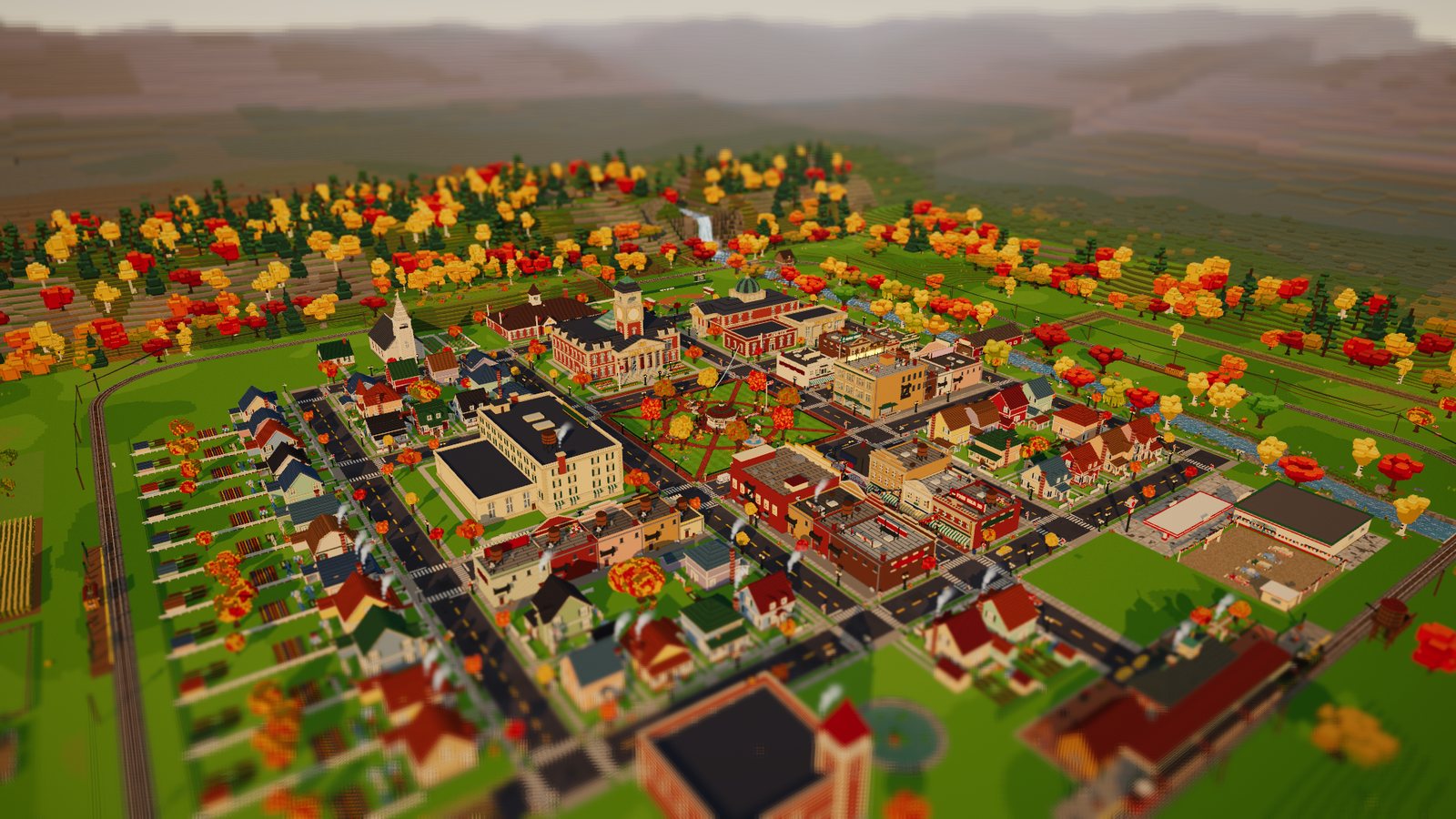
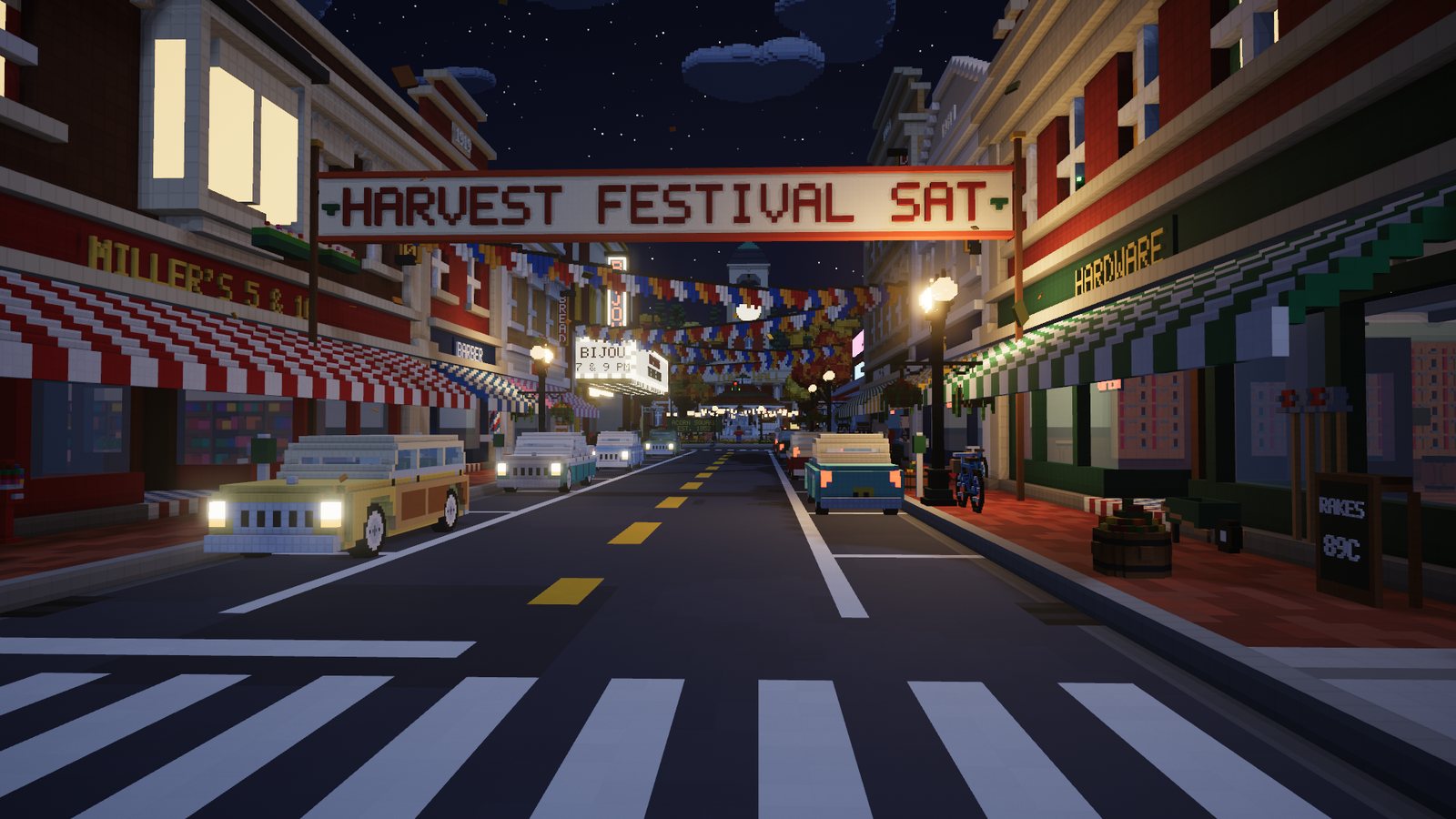
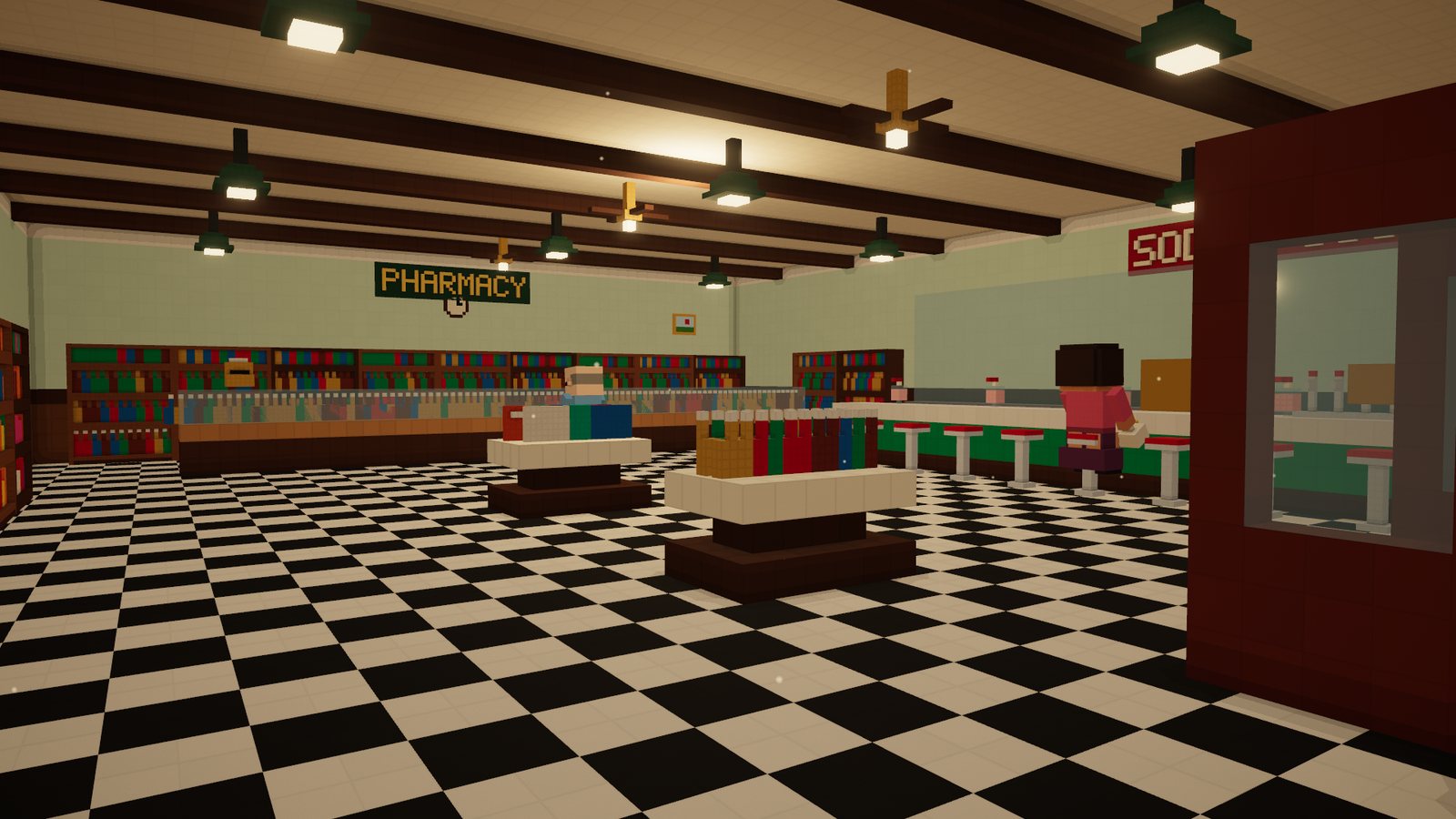 What it made: Acorn Falls
I want you to run on a loop non-stop until midnight or until you run out of tokens, whichever comes first. In that time, I want you to build the most incredible, charming, detailed voxel small town imaginable. I should be able to walk around the town, explore it in cars, and get on a train. It should have residents, massive interior buildings, and so on. It should be ultra-charming and nostalgic. Again, run on a loop until you run out of tokens or midnight, whichever comes first. When I wake up in the morning, I want to see something truly mind-blowing.
Opening prompt, Acorn FallsPlay the result: Acorn Falls
Use it for: A game already exists, from me or from another model, and needs to be much better.
A time box, who built it, then the fixes grouped under headings. Each fix points at something real to copy: the film, another game. I attach the file itself.
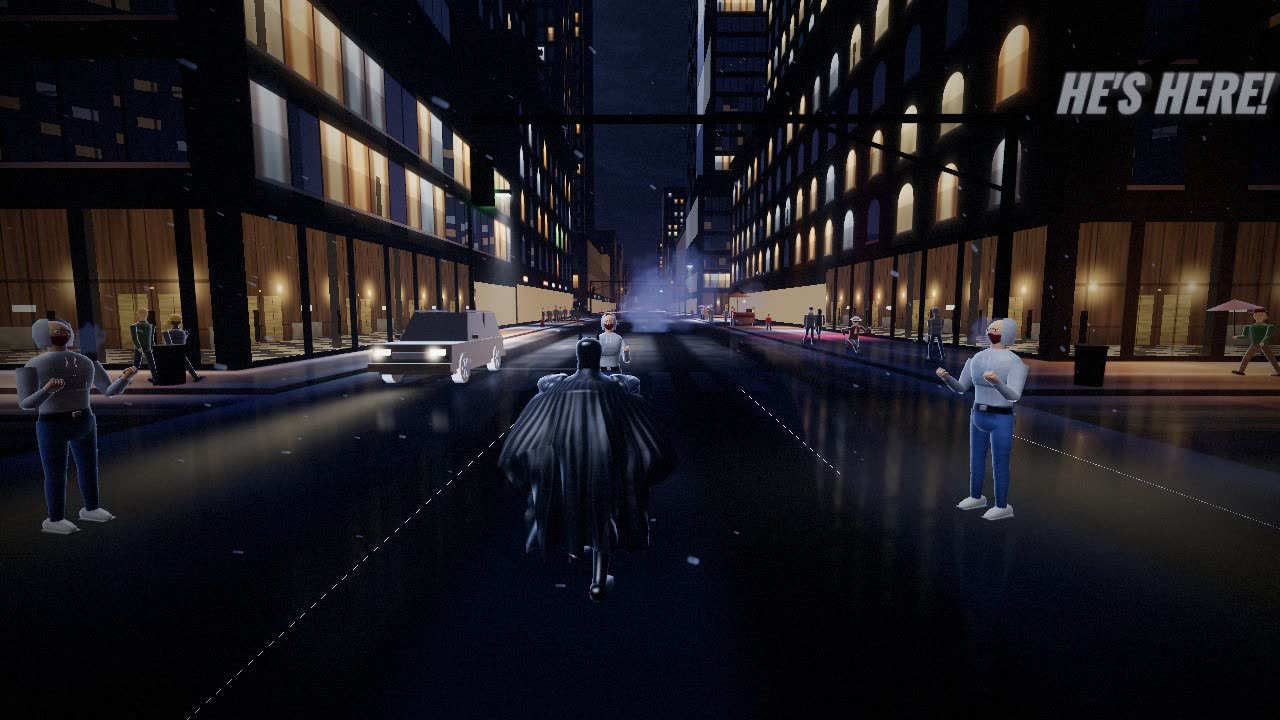
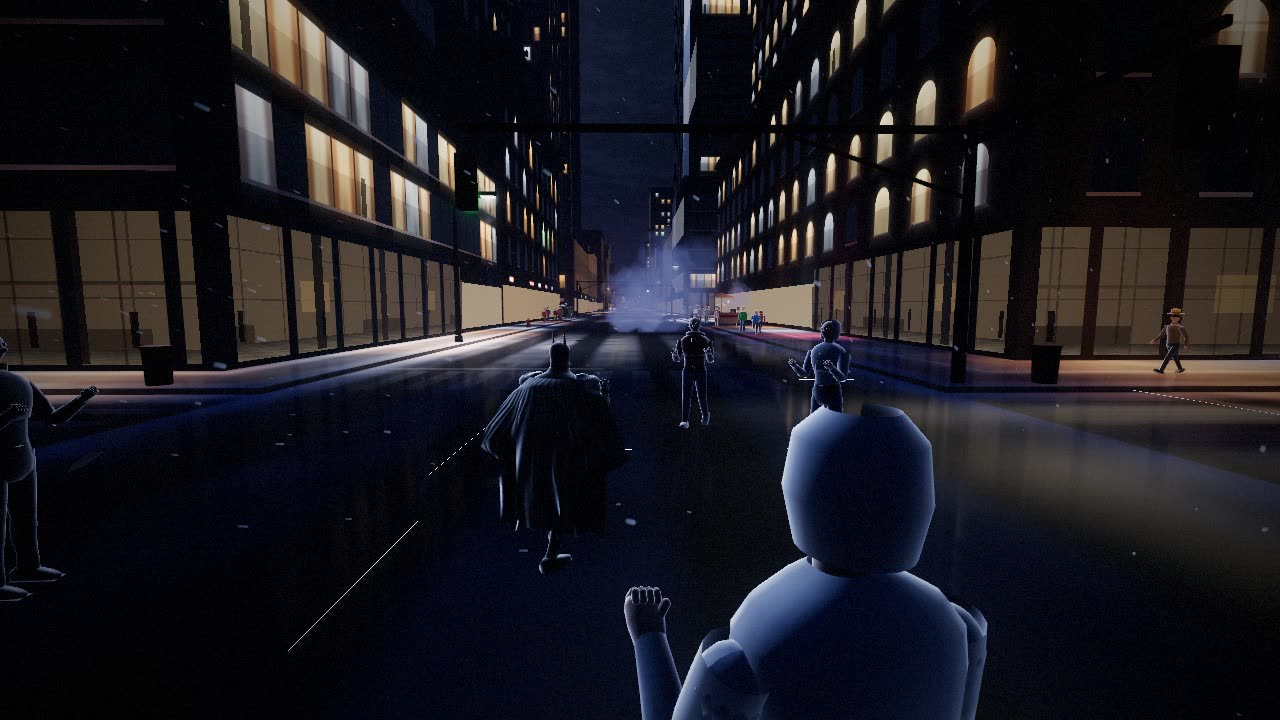
I want you to loop on this for a while, a few hours at least: let's say the next 3 hours. This was built by Sonnet 5.5, and I want you to massively improve it: the pod builder, the tracks, and the feel and fun of the game.

Tracks and environment:
• There shouldn't be outlined tracks like there are right now.
• If you look at the actual podracing in Episode I: The Phantom Menace from Star Wars, it's not a clear track; they're racing through the canyon. That's how all the tracks should be. They should feel built into the environment.

Gameplay and power-ups:
• It needs to feel a lot more fun and fast.
• Add power-ups like in Lego Racers, where we get items to throw at enemies, stop enemies, drop oil spills, or get speed bursts.
• We should be able to stack them up, just like the Lego Racers style.
Opening prompt, the Pod Racer overhaul
Words like “gorgeous” and “mind-blowing” set the mood. They do not set the bar. A reference does. These are the four kinds I use.
I record a clip of the game I want to match and drop the file in. Grimhold started as one video and one sentence.
What it made: GrimholdI want you to build a dungeon crawler that matches or exceeds this. Run on a loop until you have achieved that.
Opening prompt with a screen recording attached, GrimholdPlay the result: Grimhold
One screenshot of the real game, and a score it must hit against that image before it shows me anything.
This is your target. I want a replica vertical slice level that is on par with the Elder Scrolls mobile game Blades (graphics, gameplay, etc.). Do not give me a result until it's a 9 out of 10 in closeness, especially graphically with this reference image.
Opening prompt with a reference image attached
When the look is off, I send two images: what it made, and a mockup of the quality I want. A side by side leaves nothing to interpret.
What it made: Opus RingJust the graphics alone are a 1 out of 10, and we need to get to a 9. This has zero wow factor. The area looks super empty and bare. There's constant flickering going on. I will say, the combat is great. I've attached an image from your current build for reference, as well as an image that I used to mock up the quality you should be hitting.
Round 1 revision, Opus RingPlay the result: Opus Ring
For real places, I tell it to look up the layout first. Then I hold it to that. A wiki link, a floor plan, a blueprint with a scale bar.
I want you to build me a game where I play as Michael Scott from the hit TV show The Office.

I can walk around the office, interact with core characters from the TV show, and have conversations. There are Easter eggs and inside jokes that longtime fans of the show will understand.

You should research the exact layout of the office, characters, etc. Get the layout exactly right. Get the characters right; the detail should be absolutely mind-blowing, and showcase the extreme capabilities of your model.
Opening prompt, the Office game
On Hogwarts: Legacy of Magic I asked twice for the castle “at scale.” Both times it came back as a handful of nice rooms on a layout the AI had made up, and I scored it a 2. So I got literal:
You need to really take your time:

1. First, get the layout and blueprints of Hogwarts.
2. Rebuild it room by room at scale with detail (loop for as long as it takes).

Once that's complete and looks good, we can move on to the surrounding areas.
Round 3, Hogwarts: Legacy of Magic
It found a fan-made floor plan, read it in as a grid and generated the walls, rooms and corridors from that. The scores started climbing from there.
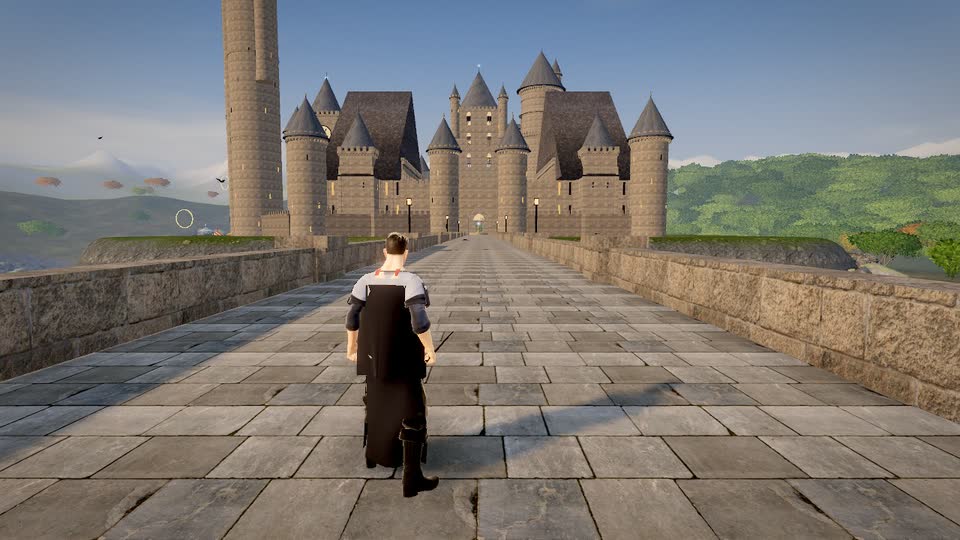
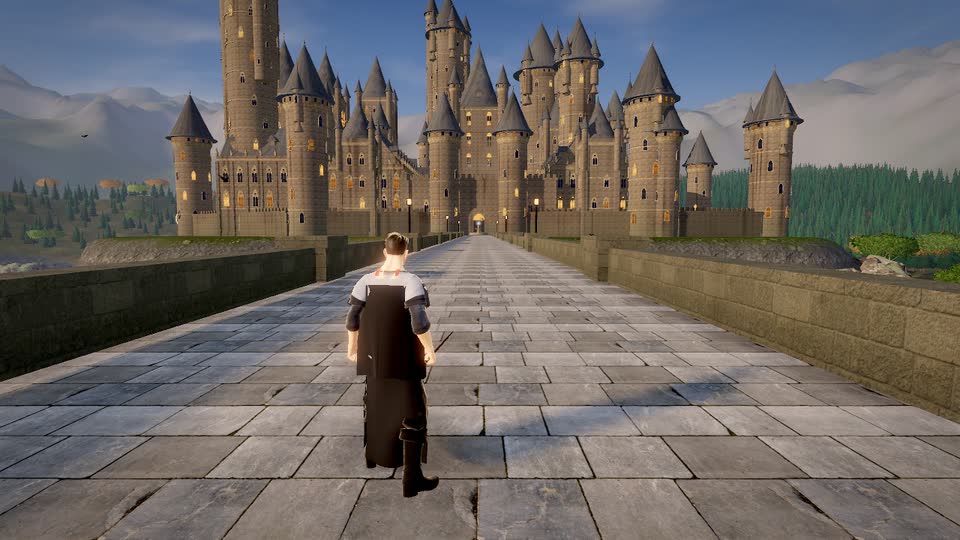
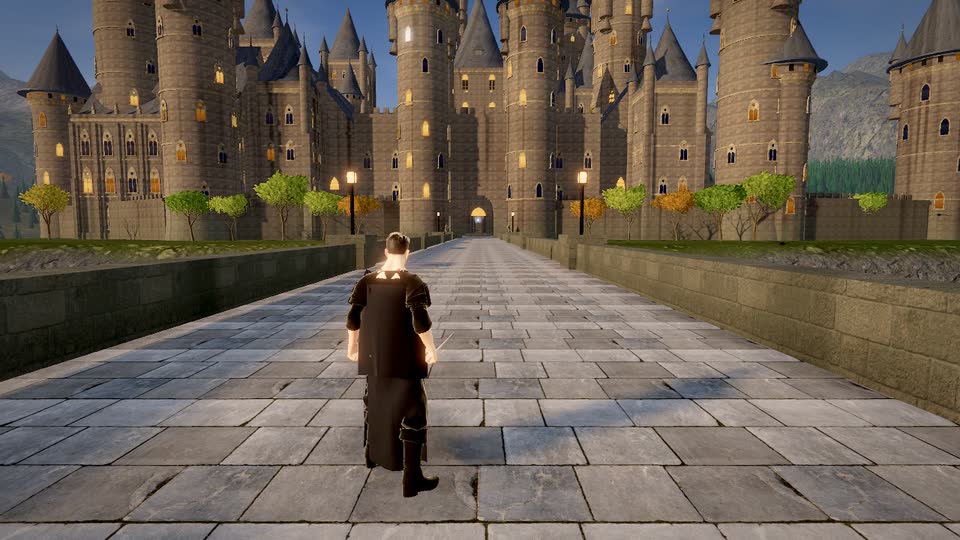
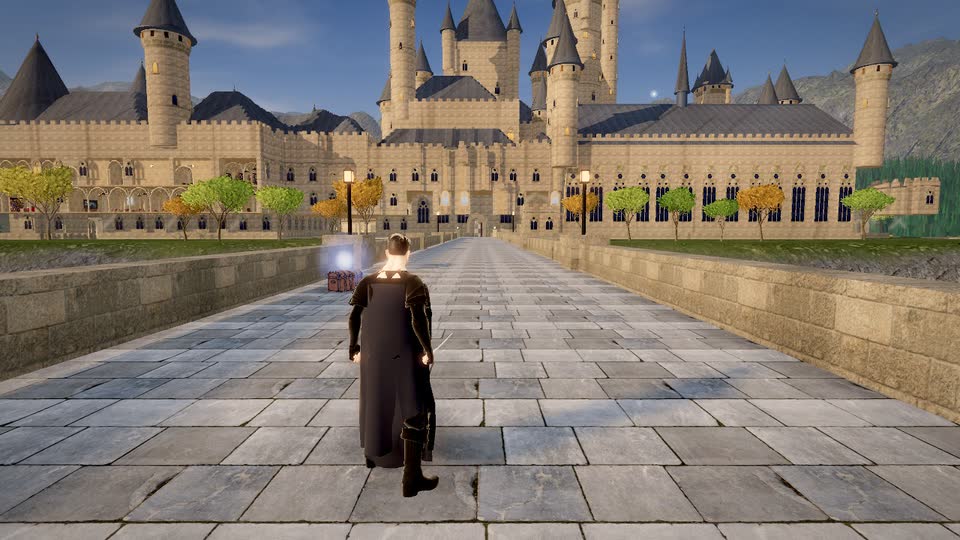
Left alone, an AI stops as soon as it has something that runs. That first version is almost never the good one. The best builds come from long runs where it builds, looks at its own work, and goes again. You have to ask for that.
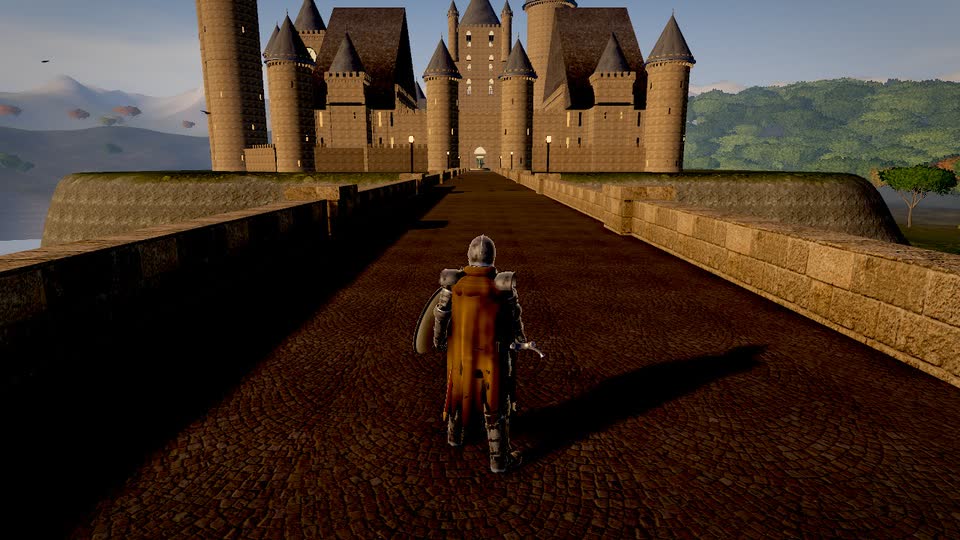
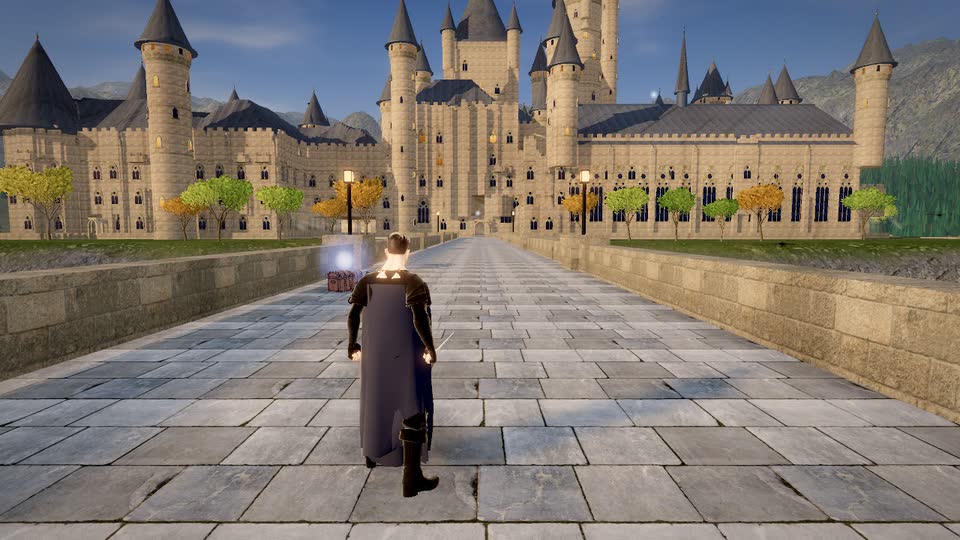
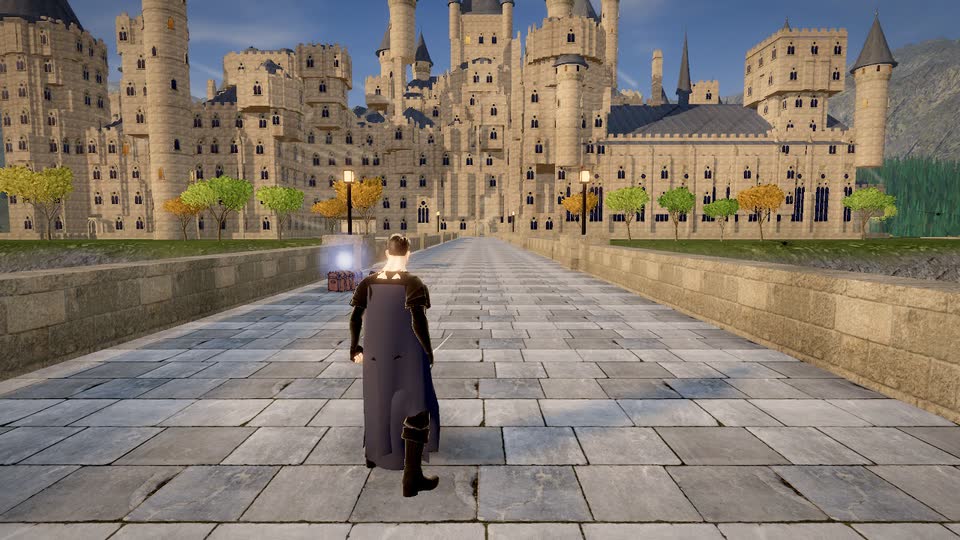
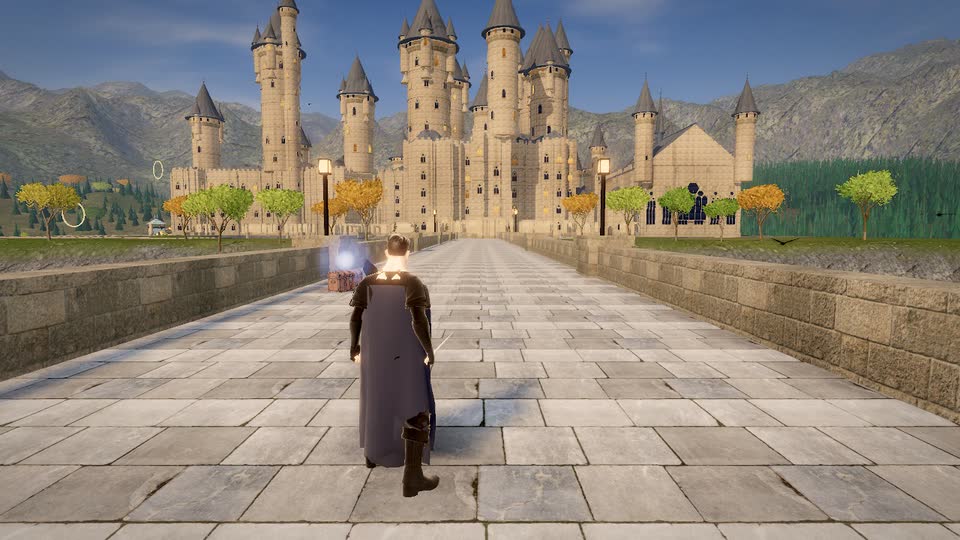
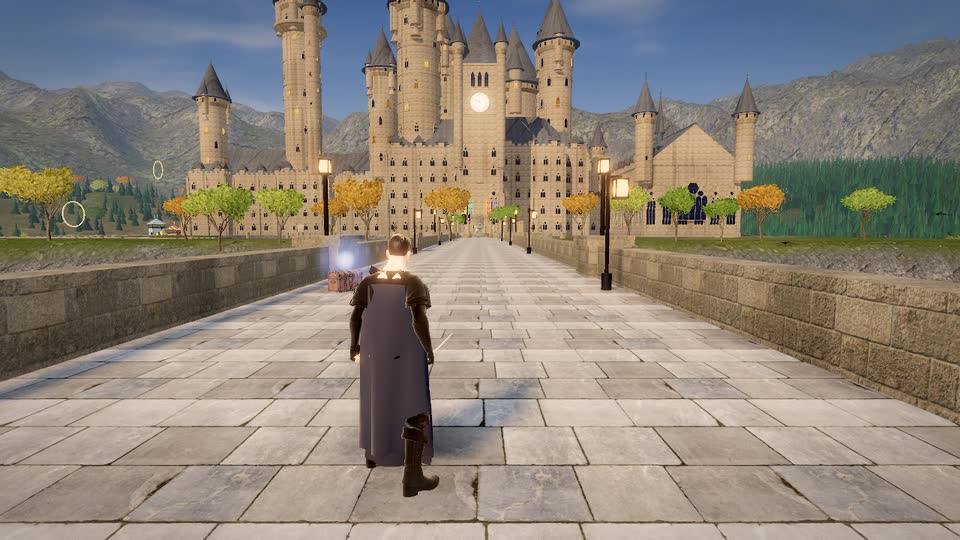
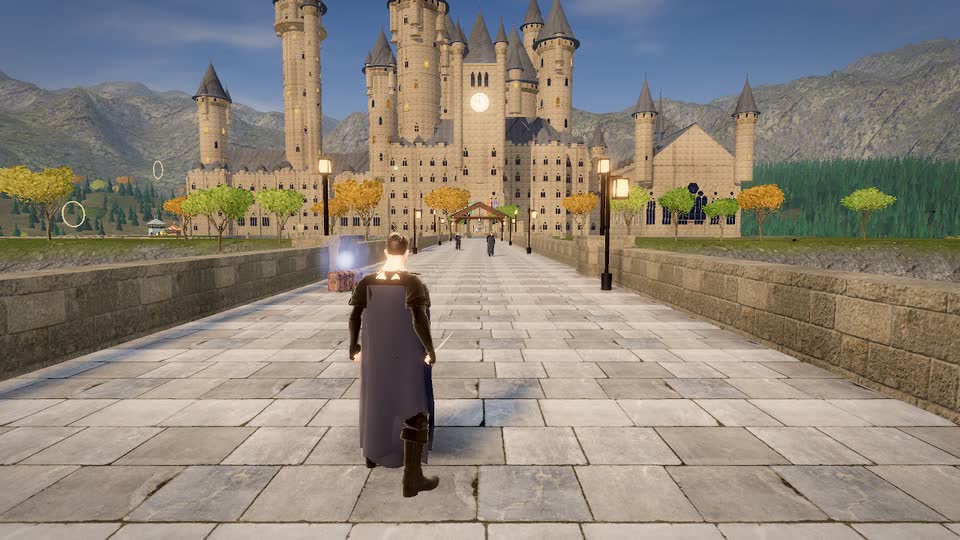
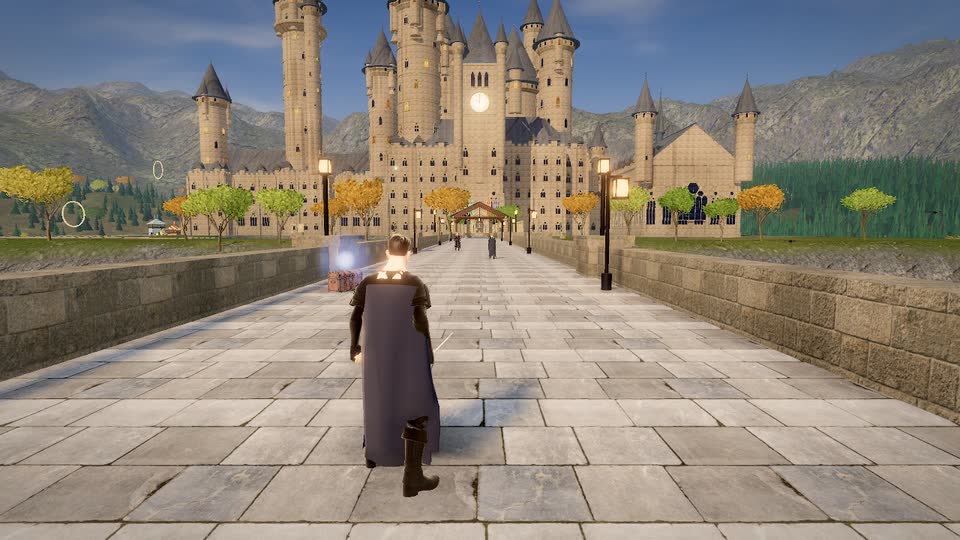
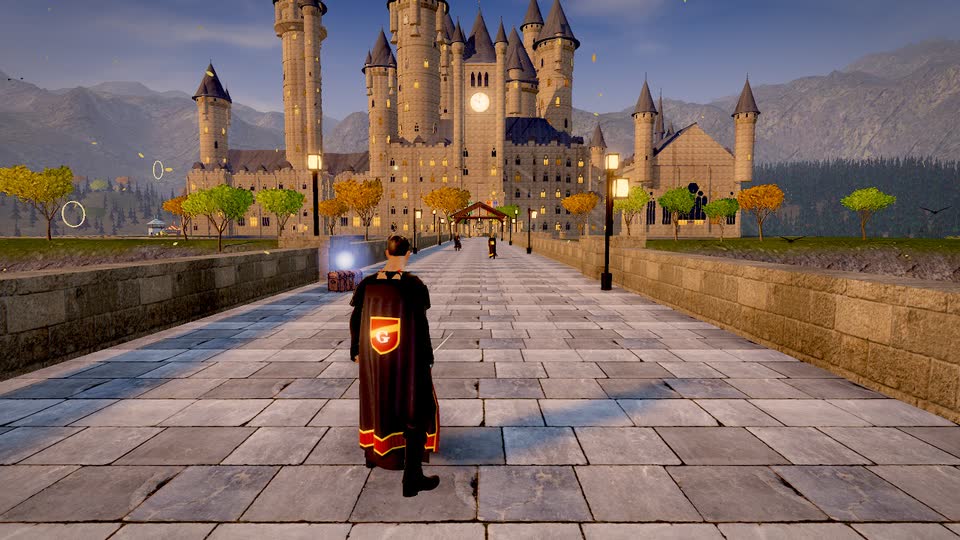
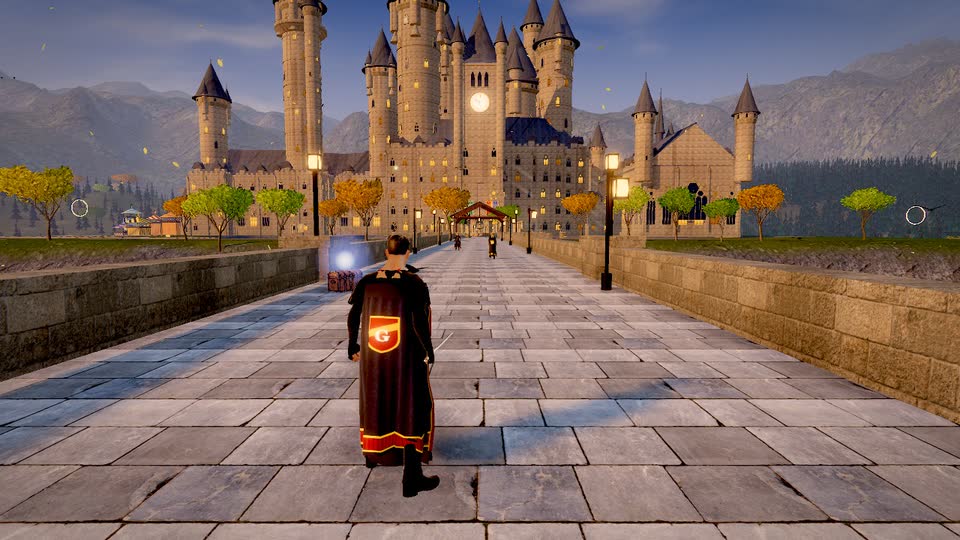 Build 1 of 13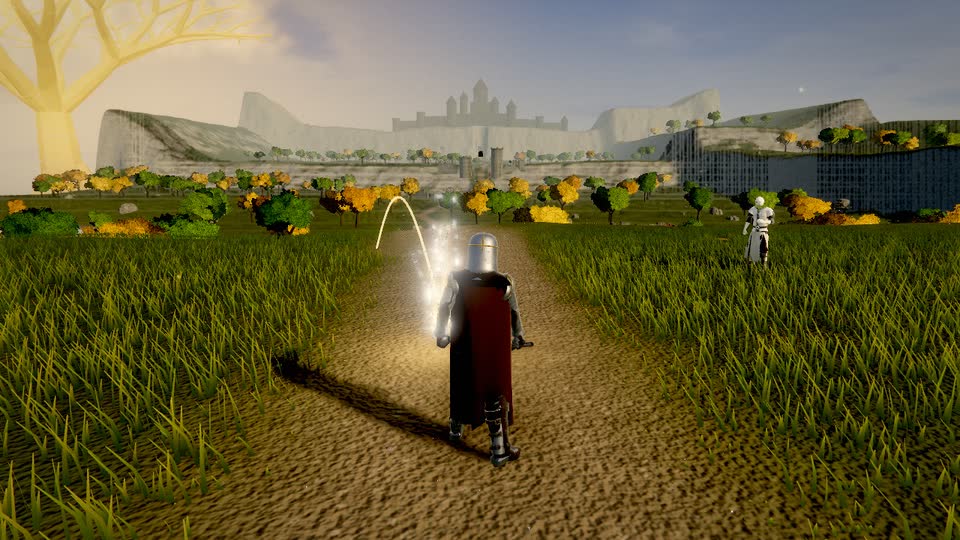
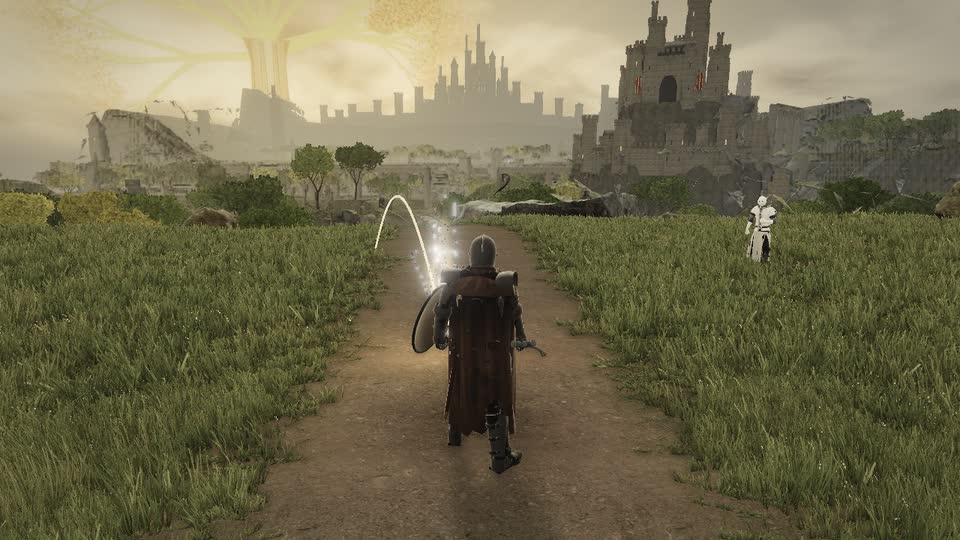
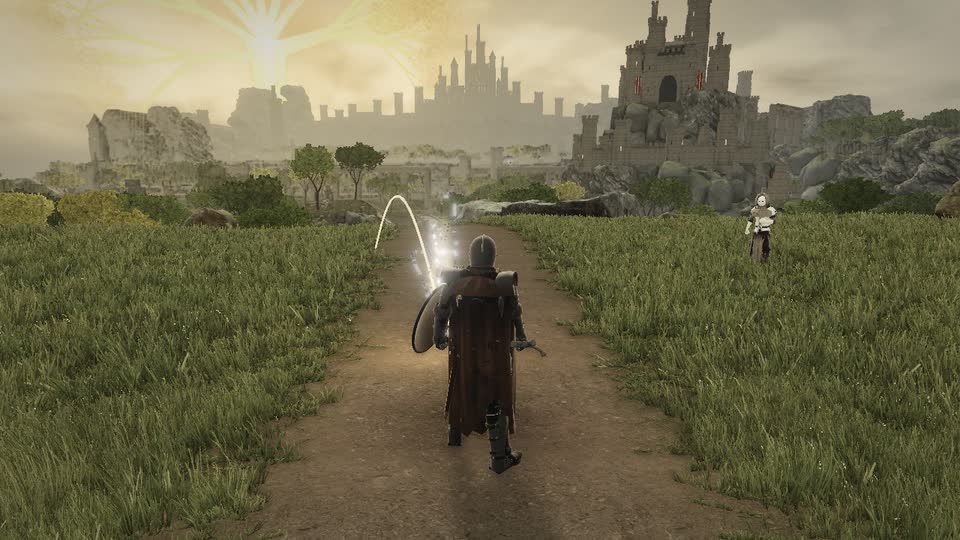
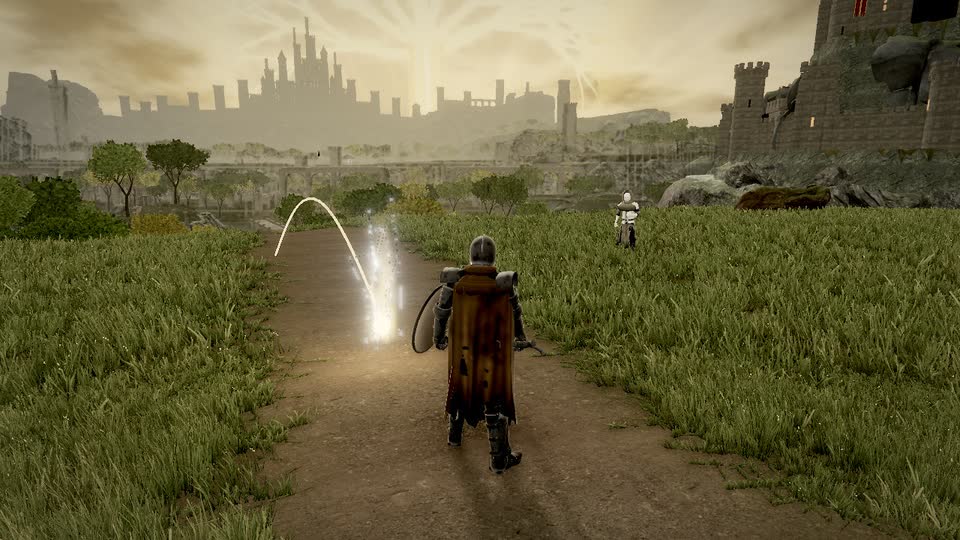
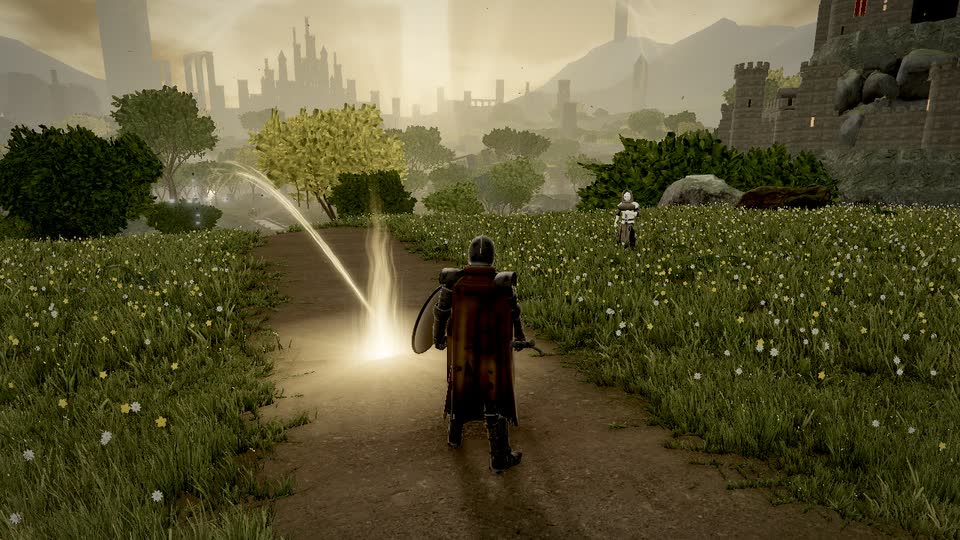
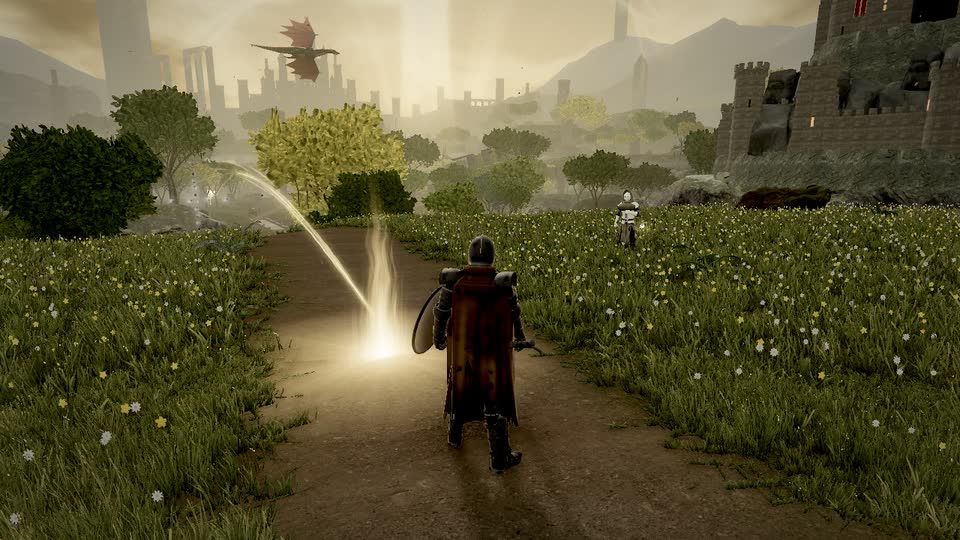
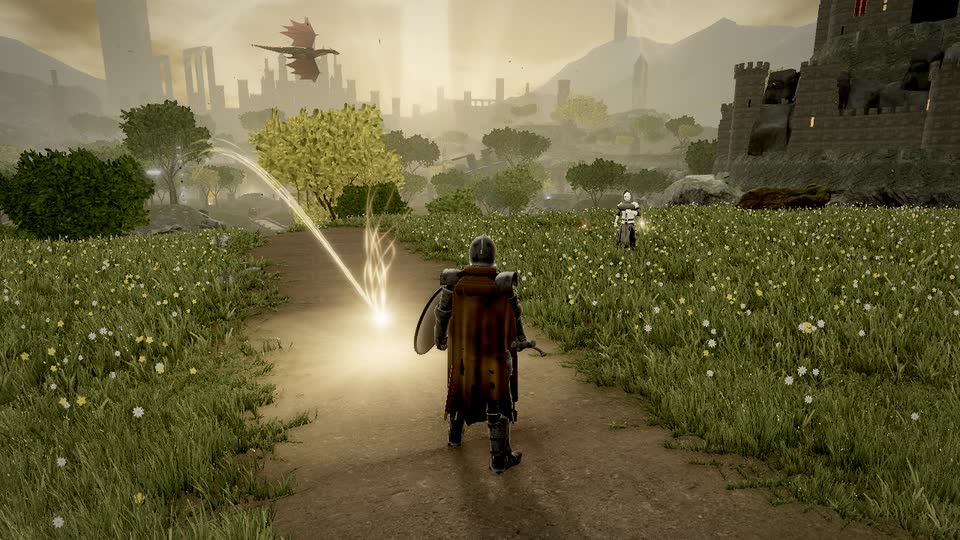
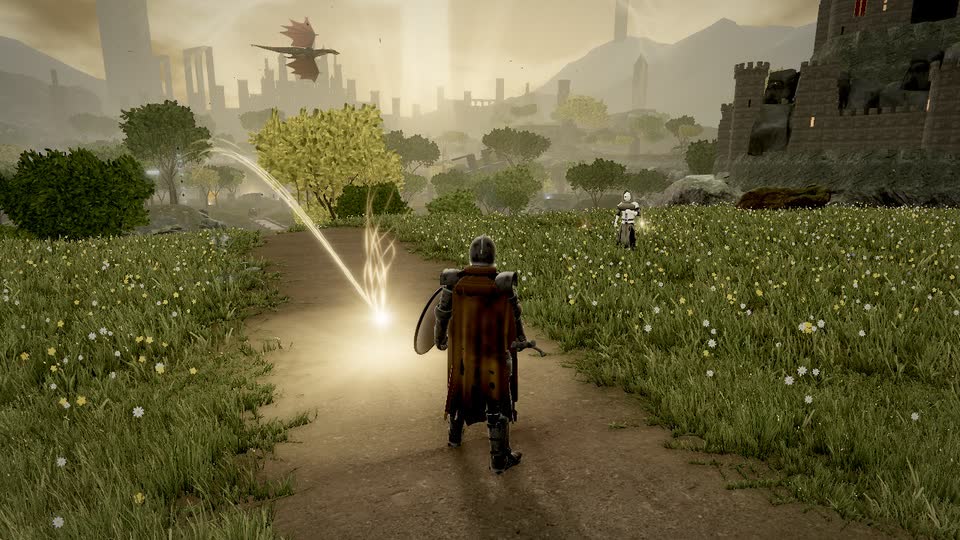 Build 1 of 11
That is what a long run looks like from the outside. Press play, or drag the bar. Each frame is a real saved build, hours apart. Look at the first Hogwarts frame: a knight on a bare bridge, because the build started from my character skill. These are the phrases that get it to keep going.
“Loop for the next 3 hours.”
A time box. Good for upgrade passes and polish.
“Loop for a minimum of 6 hours. Do not stop early.”
A floor, not a ceiling. Say it twice. It matters.
“Do not stop until it is a 9 out of 10.”
A quality gate. It has to judge its own work before coming back.
“Run until midnight or until you run out of tokens, whichever comes first.”
The overnight version, with a natural end.
“Run without asking questions.”
So it does not sit waiting for an answer while I am asleep.
“Go on.”
It stopped and there is more to do. I typed this, “keep going” or “resume” 31 times.
“You have 10 minutes. Quick fix.”
Sizes the job. Stops a small fix turning into a rebuild.
“Wrap it up.”
Finish what is in flight, save the file, stop.
Yes, incredible job. Now I want you to really focus on interiors, making them large and detailed. I want classic LEGO pieces that go along with the actual sets. I want it to be super iconic, super nostalgic, and super detailed.

Also, let's really up the quality and the detail on the racers. We're getting really damn close here. Incredible work so far.

I want you to run without asking questions. I'm heading to bed, and I want to wake up with an absolutely mind-blowing result.
Round 9, The Brick AgesPlay the result: The Brick Ages
I don't know how much clearer I can make this: do not stop until everything is a 9 out of 10. You keep stopping when you're not done.

I'm going to be gone for the morning. I want to come back to either a mind-blowing build at scale with everything done to a 9 out of 10, or to see you still diligently working.
Round 9, Hogwarts: Legacy of Magic
Two honest notes. Long runs use a lot of your plan, so I save them for the builds that deserve it. And they do not always work: more than once I woke up to a result I was disappointed with. When that happens I do not start over. I score it and send the next note.
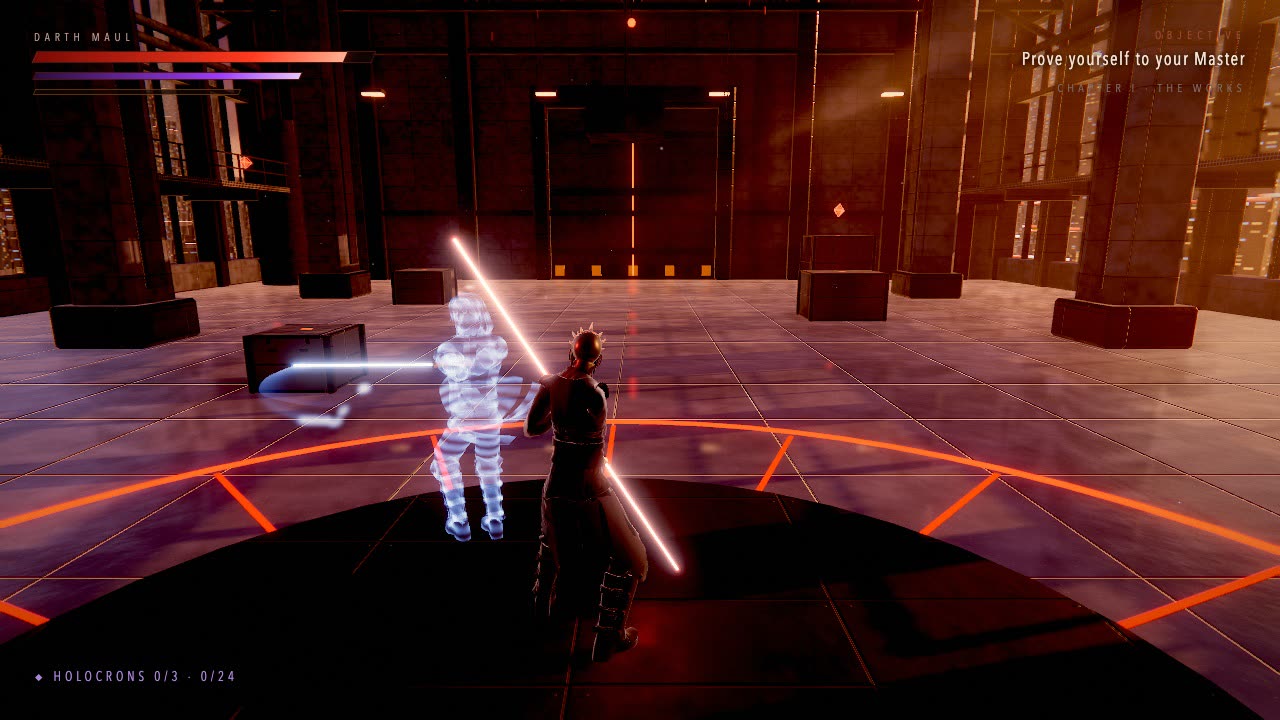
I judge every build the way a viewer will: I open it and play the first minute. This is the same opening, first result and shipped. Drag the line.
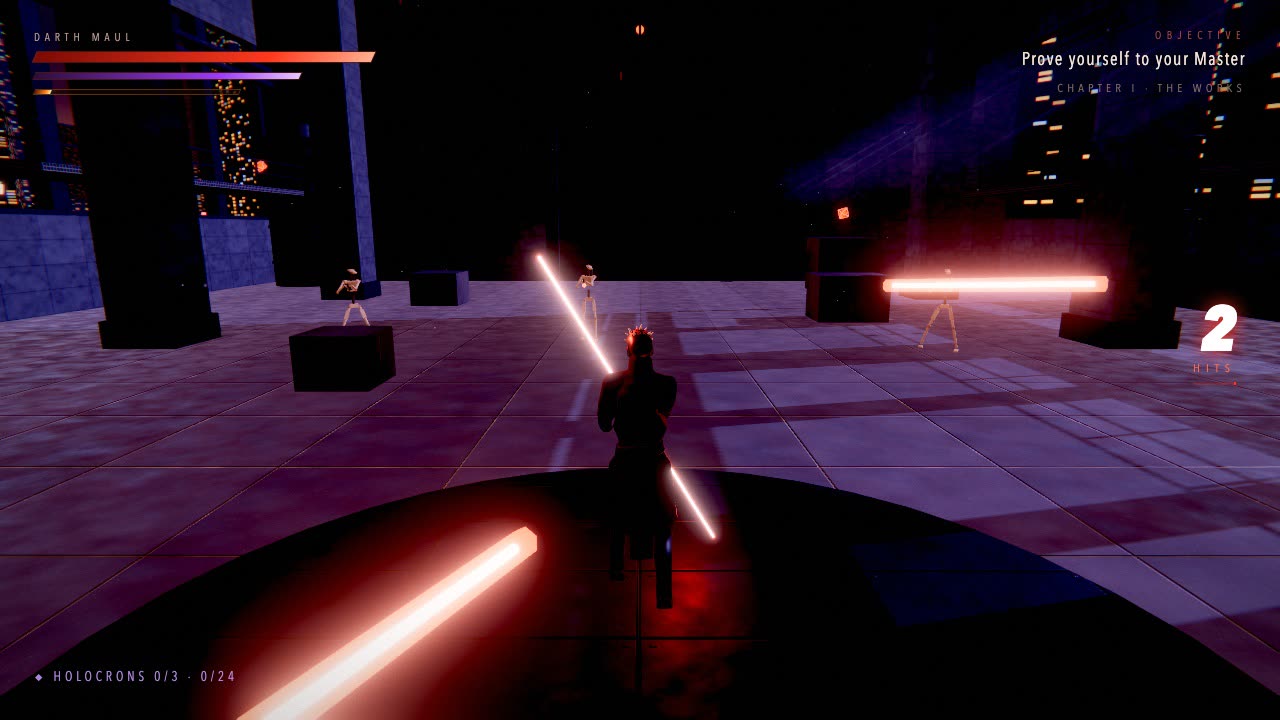
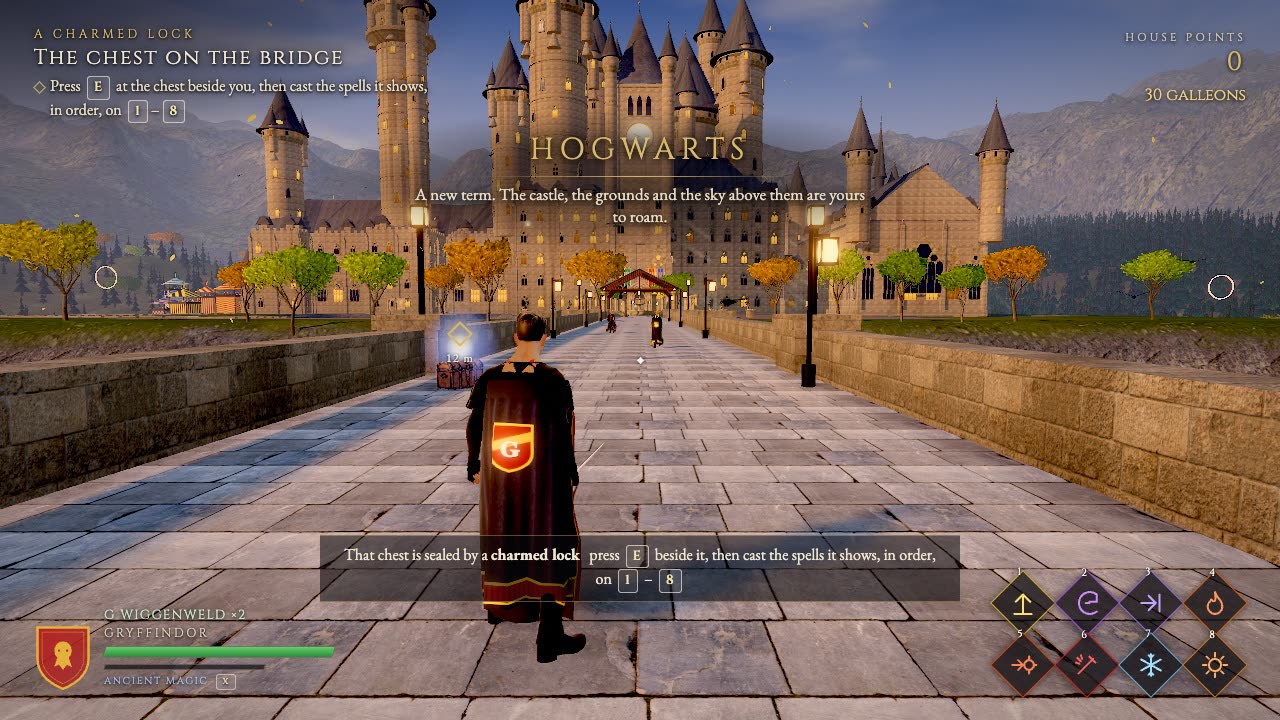
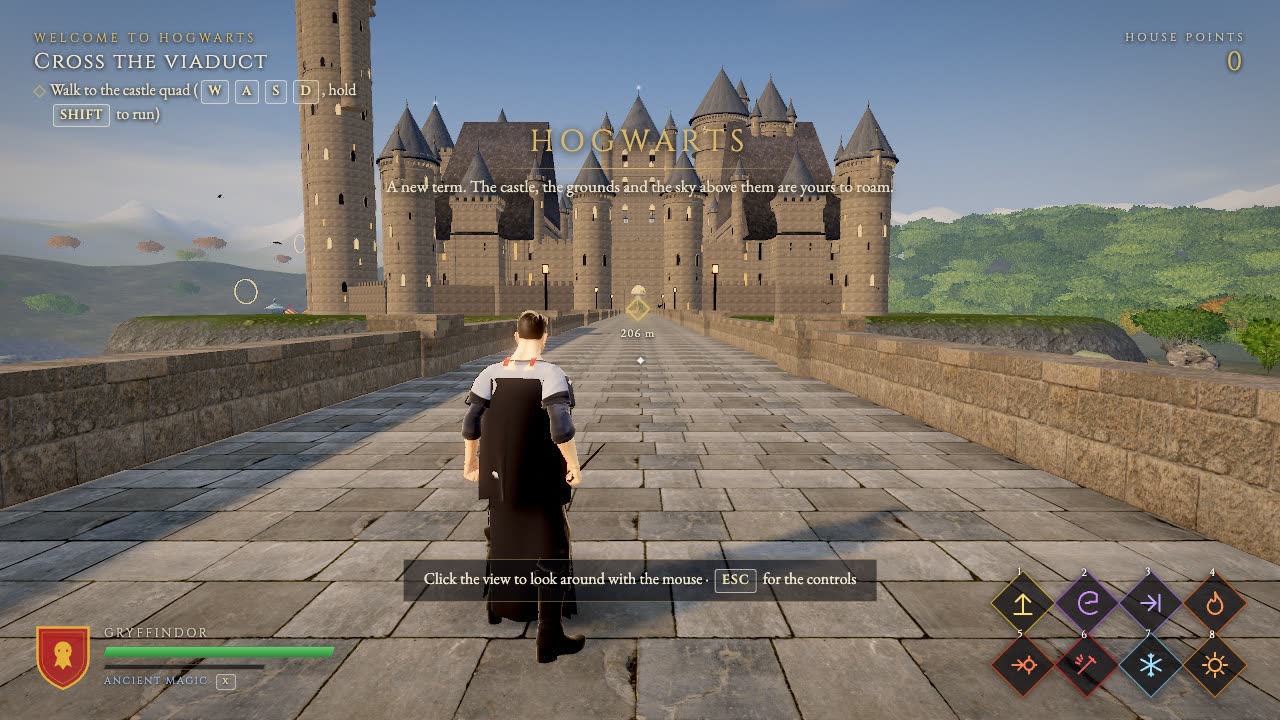
These are the ten things that come up again and again, with the line that fixes each one.
This is the part people skip, and it is most of the work. I typed 563 follow-up notes across those builds. The first result is a starting point. The game gets made in the rounds after it.
Specifically. “The shipbuilder is good as is.” This is not politeness. It tells the AI what not to touch, so the next round does not break the good parts.
“We are at a 5 out of 10.” A number tells it how far away it is. “Better” and “not quite” do not.
Always the same for me: “Get it to a 9.” The gap between the two numbers sets how much it changes.
Things I saw while playing. “Maul is glitching through the speeder.” Add a screenshot when it is visual.
“Ten minutes, quick fix,” or “loop for two hours.” The same note with a different time box gets a very different response.
1238Click through the rounds. The clip is the build I was looking at. The quote is what I typed back.
What I typed“The game overall is like a 2 out of 10 right now. We need way better graphics and environments, way better enemies, and to change who we are fighting.”
What I typed“Good start! 2 out of 10, let’s hit 9. Hogwarts needs to be massively better. The graphics are at their lowest point right now, and the detail is really off.”
None of them started good. Some sat on the same number for a few rounds before they moved.
Use it when: The game works and looks fine, and fine is the problem.
This is very excellent, I like it. When I select a module, I can just click and drag it, giving me unlimited freedom to do whatever I want in regards to customization.

Let's make a few improvements:

1. Make the ship a little bit easier to control.
2. Have multiple enemies.
3. Really up the wow factor: right now it's a 6 out of 10, so let's get it to a 9.
Round 1, Starwright (ship builder and space combat)
Use it when: I can point at exactly what is broken.
Alright, we're getting there. Let's say we're at a 5 out of 10, but we still need to get to a 9.

A few specific issues:
• The speeder looks bad.
• Maul is glitching through it.
• Look at the screenshot of even the main menu: Maul's model's arms are missing.

We need to do a full polish. We need to up the graphics, and we especially need to up the assets. The assets are like a 2 out of 10.
Round 4, Darth MaulPlay the result: Darth Maul: Sith Apprentice
Use it when: Some parts are finished. I want all the effort in one place.
Looking great. The racer section is done. Let's just leave the building section as is; I don't think it's worth really building out.

What I want you to do is really go through the main island section: the main story, the exploration as a minifig, etc. Just really crank up the graphics, the wow factor, and the LEGO-ness of everything. The island still feels very cramped. Let's really add some scale and some space.
Round 8, The Brick AgesPlay the result: The Brick Ages
Use it when: One system is great and the rest has not caught up.
Honestly, the character models are great, and the combat is exceptionally well done, good work.

We just really need to make the world feel more built out, alive, and at scale, as well as up the graphics. Additionally, we need an inventory system and a skill system; this should feel like the full Elden Ring game. Also, the sites of grace look really bad.

I'd say right now you've achieved a 4 out of 10, but we need to push to a 9.
Round 3, Opus RingPlay the result: Opus Ring
Use it when: One thing is wrong and I do not want anything else to move.
I'm giving you 10 minutes to do a quick fix.

The rings around Hogwarts that we're supposed to fly through on the broom don't do anything. We need to be able to go through those and get points, and it needs to make a sound that's really rewarding.

Also, some of the rings are in the middle of buildings and are impassable.
Late round, Hogwarts: Legacy of MagicPlay the result: Hogwarts: Legacy of Magic
Use it when: It is about to go on camera.
I want you to do a full, comprehensive sweep, deploying agents to do a full pass-through and scan of the game for playability, bug fixes, etc.

I'm going to be filming a video showcasing this later today. I want it to be absolutely perfect and mind-blowing. Fix anything and enhance anything that you find.
Before filming, The Brick AgesPlay the result: The Brick Ages
A skill is a folder the AI can pick up: instructions, a working game to start from, and notes on what went wrong last time. When a build finally comes out great, I have the AI package how it got there. The next game starts at that level instead of at a 2.
The moment something is a 10, I say exactly what made it one and ask for a skill.
I ask how to get the same quality in a fraction of the time. That is where the lean mode came from.
New prompts start with “use our skill.” New setting, same quality.
The quality that this voxel small town was built at is incredible. I have to give you applause.

The details, things like birds flying up from the ground when I walk near them, the flags in the wind, all of the interiors, the leaves falling from the sky, the whole atmosphere, are a 10/10.

We need to turn this into a skill so we can capture this level of quality.
After Acorn Falls came back
How can we cut the usage massively and the time massively, and also still get a similar quality of result?

For example, if I wanted to build something in this style, but it's a medieval kingdom instead, I want the same level of quality, charm, etc., but I don't want to have to do the three-hour token burn.
Two messages later, same chat
On the left is what the AI builds when I just ask for great characters. On the right is what it builds when the prompt starts with “use our character skill.” Same AI. The only difference is the skill.
Without the skill
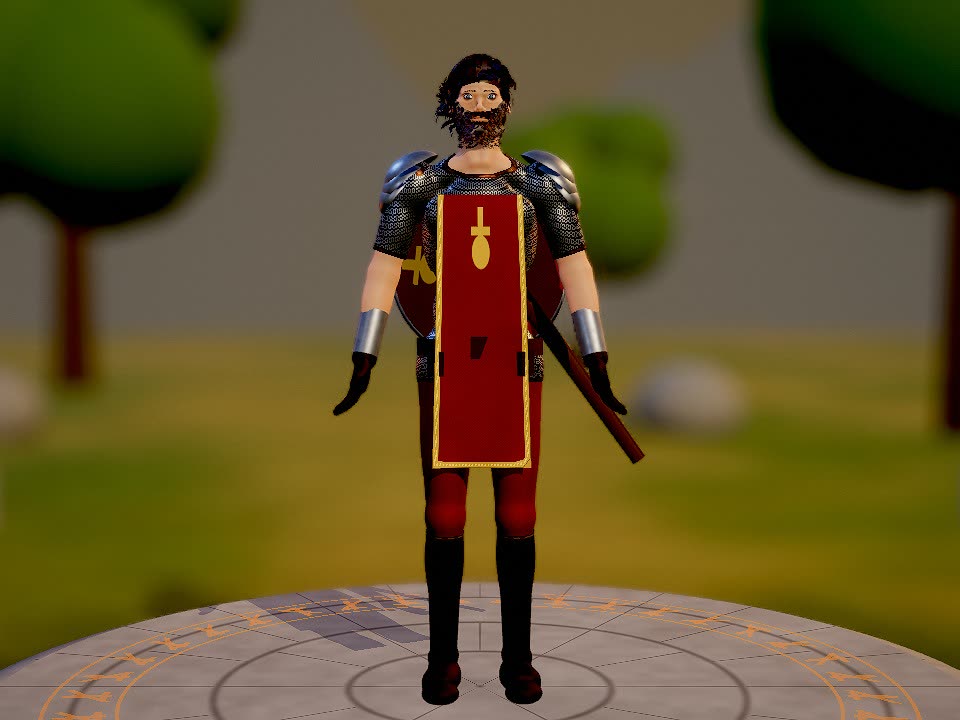
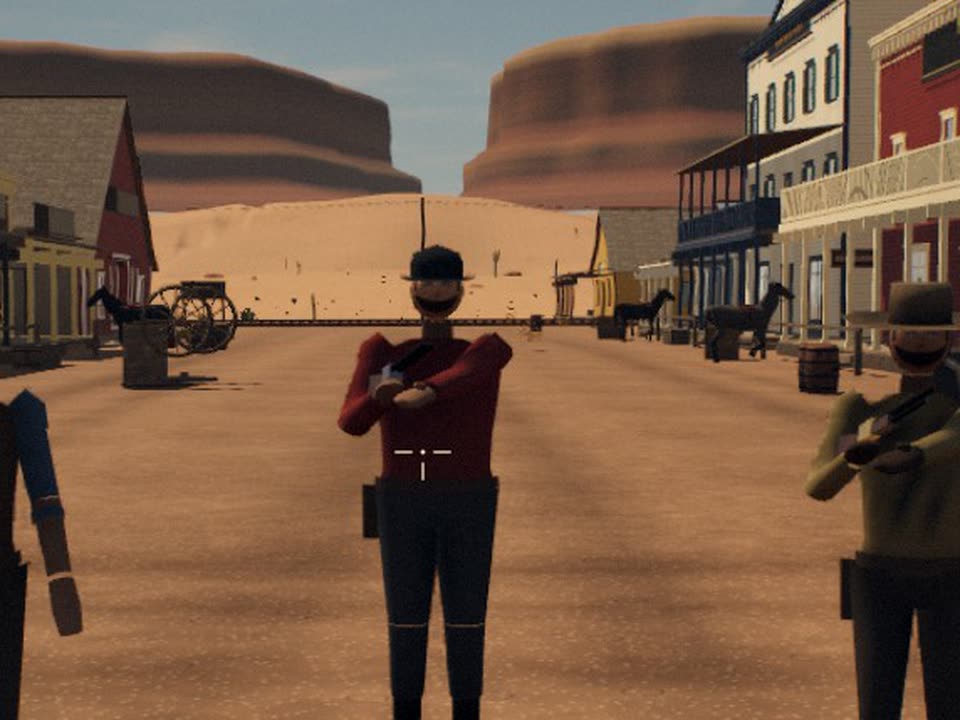
Bodies built from basic shapes in code. Stiff, blocky, and no amount of “make the models better” fixed it.
With the skill
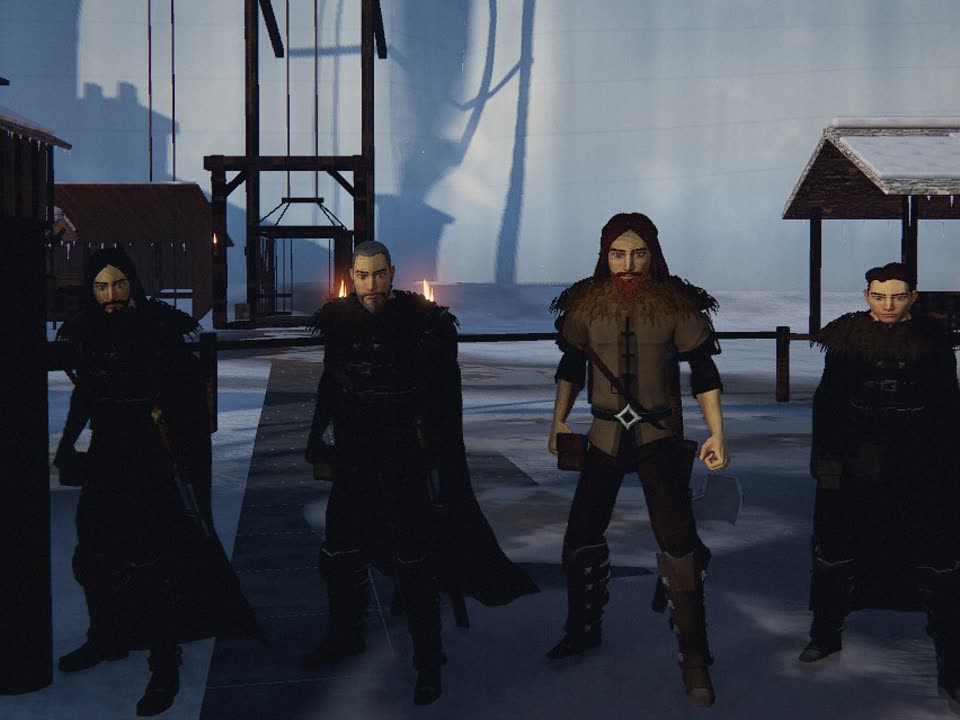
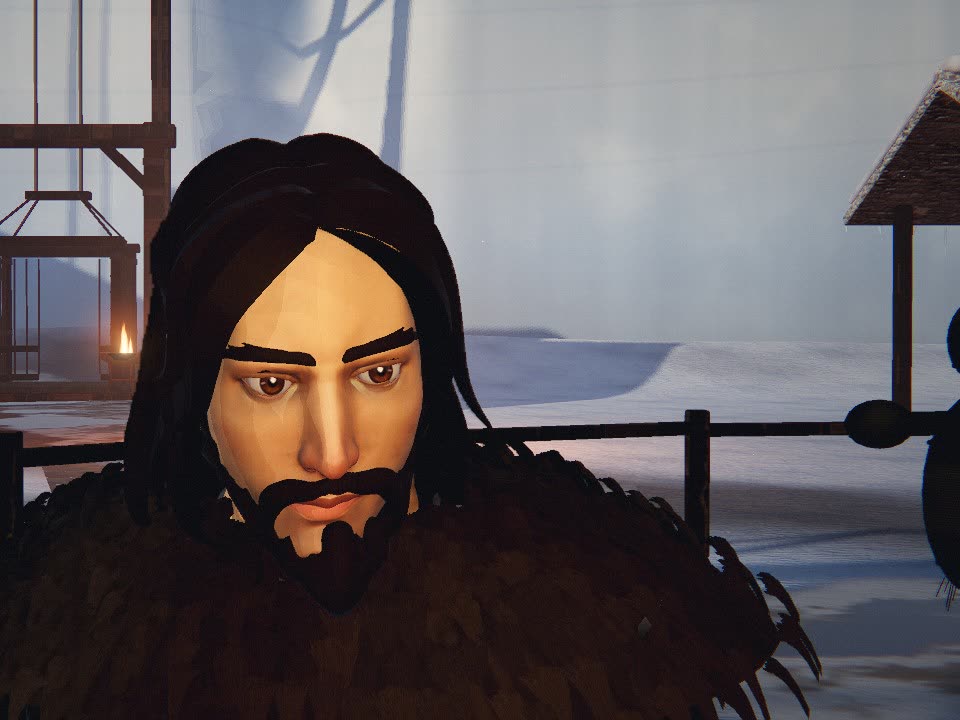
Modelled bodies, faces, hair and clothes, with motion-captured movement. This is Night’s Watch, straight from the skill.
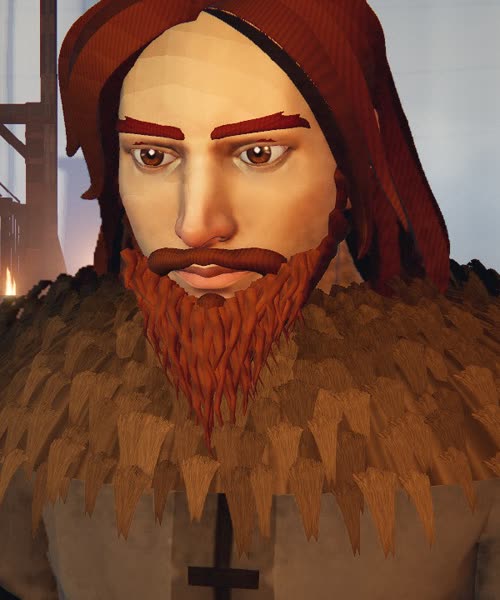 Built with the skill
Came out of Acorn Falls
A whole explorable town engine: buildings you can walk into, named residents who talk, cars, a train, day and night, and the small living details.
Used for: Port Solace, Rowanmere, Thornwick
Came out of Grimhold
A first-person sword and shield dungeon crawler: torchlit stone, real combat, bosses, loot in four rarities and a full inventory.
Used for: Night’s Watch, Opus Ring, and the loot and inventory in Hogwarts: Legacy of Magic
Came out of Darth Maul: Sith Apprentice
Good-looking, well-animated characters: modelled bodies and clothes, motion-captured movement, weapons held properly, capes that behave.
Used for: Night’s Watch, Starfall, Opus Ring
The real payoff is combining them. Night’s Watch is the crawler kit plus the character kit, in a new setting, with missions listed out. Opus Ring started from both as well. Hogwarts: Legacy of Magic pulled its loot and inventory straight from the crawler kit.
I want you to use our dark crawler kit skill, as well as our character model skill that we created tonight.

I want you to create an incredible game, AAA quality, called Night's Watch. In the game, we are a member of the Night's Watch during Game of Thrones when Ser Alliser is Lord Commander.

There should be multiple missions:

1. It should start off with a sort of tutorial mission where we do an expedition beyond the Wall, fight some wildlings, and eventually fight a White Walker.
2. A level featuring the siege of Castle Black, with the White Walkers trying to siege the Wall.
3. A level where we go out beyond the Wall again with Jon Snow and those characters who go to capture a White Walker.

It doesn't have to be exactly that; those are just some ideas. I just want some variety and iconic stuff from the show.

We need to include the full inventory system, everything from the Grimhold builds. We also need to make sure the models look really good; I want to be absolutely mind-blown with this. It needs to have RPG elements, really good menu systems, UI, etc.
Opening prompt, Night’s WatchPlay the result: Night’s Watch
I want to build a new city with the same quality and detail as Port Solace, but with a beautiful, autumnal castle fantasy vibe. It should be super charming, quaint, and gorgeous, set in a high-fantasy, fairy-tale-style world.

We should include elements like:
• Whimsical wizard towers
• Castles
• Other high-fantasy, charming features
Opening prompt, Rowanmere (built on the voxel skill)Play the result: Rowanmere
What a skill does and does not carry. On Opus Ring, the first result had great combat and great character models, because both came from skills. The world was still a 1 out of 10, because no skill covered an open world yet. A skill carries exactly what is in it. And a new world gets fresh art: I notice when a skill hands me the old town with a new name.
The last stretch is getting it in front of people. The AI does most of this too.
Every chapter selectable from the menu, every track unlocked, fast travel to anywhere. It makes filming possible and it makes the game better for players who just want to look around.
One full pass for playability and bugs before the camera goes on. I use the pre-filming sweep prompt from the revision chapter.
The AI drives its own camera to record real gameplay, then cuts it. My rule: never open on black. The first frame is the best shot.
Each game gets a landing page with real screenshots, an email signup, and a page to play in the browser or download the file.
One place for every finished game, newest first.
Please just add it so by default we can travel to any site of grace, so I can showcase this game easier.
Final round, Opus RingPlay the result: Opus Ring
I need two clips:

1. Intro clip (26.30 seconds): it's going to be the intro for my intro voiceover. It should have the music from the game as soft background music. It should be super compelling, cinematic, and keep people entertained and wanting to see the full video.
2. Outro clip (29.15 seconds): it should be super scenic, beautiful, and get people wanting to play the game.
After the last build, Hogwarts: Legacy of Magic
You do not need to understand this part to use it. You only need to ask for it. This is the scaffolding behind every bigger build, and it is why a three-hour run comes back better instead of just bigger.
The source lives in small numbered files. A build script joins them into the single HTML file and refuses to build if anything has a syntax error. The AI edits one small part at a time and cannot ship a broken game.
Add ?test to the address and the game checks itself and prints a score like 113/113. Hogwarts: Legacy of Magic runs 113 checks.
A headless browser script loads the game, flies to named spots and saves screenshots. The AI looks at those pictures. This is the single biggest difference between a build that looks right and one that only runs.
A small console object for jumping to any spot, freezing time and reading out what is on screen. It is how trailers and landing page screenshots get captured too.
The build time printed on the title screen. More than once I was looking at an old cached copy and thought nothing had changed.
Every build copies the source somewhere else. I have wiped my work folder by accident before.
Before you build anything else, set this project up so you can check your own work:

1. Split the source into small numbered parts with a build script that joins them into one HTML file and refuses to build if there is a syntax error.
2. Add a self-test I can run by adding ?test to the URL. It should print how many checks passed.
3. Set up a headless browser script that loads the game, moves the camera to named spots and saves screenshots. Look at those screenshots yourself after every change.
4. Put the build time on the title screen so I can tell if I am looking at an old copy.
5. Back the source up outside this folder on every build.

Never tell me something is fixed until you have looked at a screenshot of it.
Paste at the start of any big build
Add a test that walks the game the way I do: start at the front door, hold forward, and go up every staircase and through every doorway without teleporting. If the player gets stuck anywhere, tell me where. Run it before you tell me a level is done.
Paste before you call a level done
A build reported that every staircase could be climbed. The test had been placing the player at the foot of each flight. When I played it, I could not get upstairs at all.
A speed-up quietly hid the 900 floating candles in the Great Hall for four hours of builds. Now the test stands in the hall and counts them.
One build passed 109 tests and killed the player in three seconds at spawn. I never saw the second room. Playable comes before pretty.
The single line “pull whatever assets you need from the internet” changed my results more than any amount of asking for better graphics.
Free-to-use modelled characters and outfits (the Quaternius packs), on one shared skeleton. Bodies built from basic shapes in code looked like programmer art no matter how many rounds we did. Models fixed it in one.
Motion-capture clips for walking, running and fighting, blended with hand-set weapon swings. This is why combat in the newer games feels right from the first result.
Free photo-based textures for stone, wood and leather (from Poly Haven), baked into the file. Everything else is drawn by code when the game loads.
Off by default while building. At the end, I add sound effects, music and voices generated with ElevenLabs, with a hard credit budget in the prompt.
Models, textures, fonts and sound are all packed inside the HTML file. No server, no install. Double-click and it plays, and it can be hosted anywhere.
Let's lock down the ElevenLabs stuff. I have 9,942 credits to burn. I want sound effects for spells, background music in game, and voices of students as you walk by saying the words you can see written above them. Sound effects and music are important, then voices. Only use these credits, no more.
Late round, Hogwarts: Legacy of MagicPlay the result: Hogwarts: Legacy of Magic
Keys stay out of the chat. When a tool needs an API key, I save it to a file on my computer and tell the AI where the file is. I never paste the key into the conversation.
For the biggest worlds, one AI coordinates and several others each build their own piece at the same time. Acorn Falls was a coordinator plus ten specialists, each owning its own part of the map and its own file, in about two hours and twenty minutes. It works when nobody’s work overlaps and everyone looks at their own screenshots. It also uses a lot of a plan, so I only ask for it when the build needs it: “with as many agents as needed.”
GPT is working on making the castle feel better, more alive, and more realistic. I want you to focus on the mission structure and stories.

I want you to push yourself to the limits, like an actual AAA game studio, to design a mission structure that is genuinely fun and engaging. For example, right now when we go beyond the wall, it is just endless walking with nothing to do.
Round 5, Night’s WatchPlay the result: Night’s Watch
Most of what is in this guide came from a build that went badly. These are the ones that changed how I work.
I asked for an “ultra-detailed map” I could zoom into and got a flat paper map. It cost about 30% of my weekly usage on that model.
Now: I say 3D or 2D in the first sentence.
Hours of work went into a cavern behind the first boss. I opened the game and saw the same first room.
Now: New work goes on the title screen and in the first minute.
“Insane visuals, faces of the gods” got me four nebulas, four giant heads, a gate, three planets and three comets in one view.
Now: One hero per direction, dark sky in between.
I asked for Hogwarts “at scale.” It furnished rooms on a floor plan it made up. Nice rooms, wrong castle, 2 out of 10.
Now: Real places start from a real plan.
53 out of 53 passed, including the staircase. I could not walk up the staircase.
Now: Tests play the game the way I do.
I meant the quality. It built a second file.
Now: One game, one file. I say so.
Quests, minigames and voices on top of a castle that was still a 3.
Now: Get the core to the bar, then build on it.
The AI will stop when the game works. Working is not the bar.
Now: The stop condition is a number, and I repeat it.
Two builders that assemble a prompt in the structure from this guide, then four templates to keep. Nothing you type here leaves your browser.
I want you to build [WHAT IT IS], in 3D, in a single HTML file. [ONE SENTENCE ON WHO IT IS FOR OR WHAT IT SHOULD FEEL LIKE.]

I should be able to:
• [VERB 1]
• [VERB 2]
• [VERB 3]

It should look and play like [REFERENCE GAME OR ATTACHED IMAGE]. [THE TWO THINGS THAT MATTER MOST] matter most.

Do not show me a result until it is a 9 out of 10. Loop for [HOW LONG] and do not stop early. When someone who loves [THE THING] sees this, they should not believe AI made it.
[WHAT IS WORKING] is great. Leave it exactly as it is.

Right now this is a [SCORE] out of 10. Get it to a 9.

What is holding it back:
1. [SPECIFIC THING I SAW]
2. [SPECIFIC THING I SAW]
3. [SPECIFIC THING I SAW]

[SCREENSHOT ATTACHED IF IT IS VISUAL.] Put the improvements where I will see them in the first minute. You have [TIME BOX].
This came out incredible. What made it a 10 for me: [THE SPECIFIC THINGS YOU LOVED].

Turn how you built this into a skill, so we can make more at this quality without redoing the work. Include the working engine as a starting point, the quality bar, and the mistakes to avoid. Then tell me how we could get a similar result in a fraction of the time and usage.
Use our [SKILL NAME] skill.

I want a new [KIND OF GAME] with the same quality and detail as [THE BUILD THE SKILL CAME FROM], but [NEW SETTING AND VIBE]. Fresh art and layout: do not reuse the old world.

It should include:
• [ELEMENT]
• [ELEMENT]
• [ELEMENT]
These four are the structure. The real prompts behind each game, the editable files and my skills are in the AI Creator Bundle, $9 one-time.
No. I describe what I want, play what comes back, score it and say what is wrong. The method on this page is the whole job.
Most of the recent games were built with Claude Opus 5.5 in Claude Code. Others in the Arcade were built with Claude Fable 5.1, Claude Sonnet 5.5 and GPT-6 Astra, and I regularly give the same prompt to several models to compare them.
The simple ones come back from a single run. The big ones take days of rounds: Darth Maul took two days of rounds, Hogwarts: Legacy of Magic took three days.
It depends on how long you let it run. When people asked on YouTube, I checked: the Spider-Man build used 83.9 million tokens. Long loops and teams of agents use a lot of a plan. Skills are how I bring that down.
It opens with a double-click, works offline, can be emailed, and can be hosted anywhere. 92 of my opening prompts asked for it by name.
Because the number is an instruction. A 6 gets small changes. A 2 gets a rethink. I score what I actually feel when I play the first minute, and the target is always 9.
They are free, unofficial fan projects, and each one says so on its page. They are not sold.
All my prompts, editable files, and workflows in one digital library, updated every week. Games, art, animation, and whole new worlds. Yours to open, remix, and make your own.
See the bundle, $9 one-timeOne email a week with what I built, what broke and the prompt that fixed it.
Or come and show us what you are making: Join the Discord